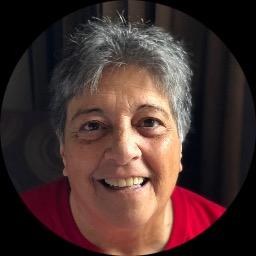
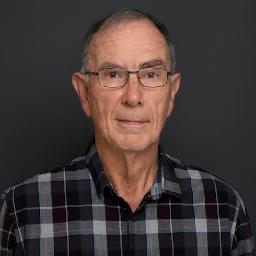
Linda Losi, LCSW
Florida · 35 years in practice
Linda Losi is a licensed clinical social worker with more than 35 years of experience.
License and registration
- LCSW, Florida
- SW18225 · expires March 2027
- NPI
- 1336200278 · national provider identifier
- Years in practice
- 35
- Languages
- English
Details are as listed on the therapist's public professional profile. You can check the license with the issuing state board, and the NPI with the national registry.
About Linda
Linda Losi is a licensed clinical social worker with more than 35 years of experience. She trained at Barry University and brings a background as a retired registered nurse to her work. Linda aims to make therapy approachable rather than intimidating.
She welcomes honesty, hard work, and a willingness to change. Her approach is collaborative and straightforward. Sessions often focus on practical steps clients can try between meetings.
She uses conversational techniques alongside structured methods to help people handle anxiety, stress, and life changes.
Background and approach
Hypnotherapy is one of the tools she uses when it fits a person's goals. Linda draws on several therapeutic styles to match what a person needs. She blends client-centered listening with cognitive behavioral tools and elements from dialectical behavior therapy and existential thinking.
That mix allows her to address mood concerns, trauma, addiction patterns, and relationship or identity questions. She also offers support around parenting struggles, grief, anger, self-esteem, and career pressures. Additional focuses include attention-deficit concerns, codependency, commitment questions, and issues tied to guilt or shame.
Her nursing background informs a practical, grounded way of working when medical or behavioral health details matter. Sessions are offered from Florida and conducted in English. Linda encourages people to be ready to take action between sessions, since change typically grows from practice as well as conversation.
New clients can expect a frank, compassionate space to sort through what matters most.
Focus areas and approaches
Everything Linda lists on their public professional profile, in their own terms.
- Stress, Anxiety
- Addictions
- LGBT
- Trauma and abuse
- Depression
- Relationship issues
- Family conflicts
- Grief
- Intimacy-related issues
- Eating disorders
- Parenting issues
- Anger management
- Self esteem
- Career difficulties
- Bipolar disorder
- Coping with life changes
- Coaching
- Compassion fatigue
- ADHD
- Antisocial personality
- Codependency
- Commitment issues
- Communication problems
- Guilt and shame
- Personality disorders
- Post-traumatic stress
- Self-love
Approaches Linda names
- Hypnotherapy
- Client-Centered Therapy
- Cognitive Behavioral Therapy (CBT)
- Dialectical Behavior Therapy (DBT)
- Existential Therapy
- Jungian Therapy
- Mindfulness Therapy
- Psychodynamic Therapy
- Solution-Focused Therapy
- Trauma-Focused Therapy
Naming an approach is not evidence of training in it. This directory copies what each therapist lists and does not check training records.
Online support
Approaches Used Online and What They Do
Linda often combines hypnotherapy with client-centered care and cognitive behavioral techniques. Hypnotherapy involves guided relaxation and focused attention to help people work through habits, stress responses, or difficult memories. Client-centered therapy centers on listening and reflecting so the person feels understood and can find their own solutions. Cognitive behavioral therapy focuses on identifying thoughts and behaviors that keep problems going and practicing new responses to reduce symptoms.Choosing the right approach is a collaborative process. The therapist will talk with each person about goals, preferences, and what has or hasn’t worked before. Together they decide whether to try hypnotherapy, CBT techniques, or a more conversational client-centered path and can adjust course as needed.
Online sessions are offered as video calls, phone sessions, live chat, or text-based messaging to fit busy lives. Video is useful for in-depth work and visual connection, phone sessions can be a simpler way to check in without bandwidth needs, and messaging works well for quick updates or brief coaching between meetings. These options make it easier to keep continuity of care and to practice new skills in real time.
We will earn a commission if you sign up through our link, at no cost to you. It does not change what you pay or the order of the listings.
Questions people ask
What kinds of problems does she address?
She helps people facing stress, anxiety, depression, trauma and addictions. Other areas include grief, relationship and intimacy issues, parenting concerns, eating issues, and career strain.
How would you describe her therapeutic style?
Her work blends client-centered listening with structured techniques like cognitive behavioral therapy and dialectical skills. She keeps sessions practical and action-oriented so clients can try tools between meetings.
How much experience does she have?
She brings 35 years of experience and a background as a retired registered nurse, which contributes to a grounded and practical approach.
Where is she based and what credential does she hold?
She practices from Florida and holds the credential LCSW, which stands for Licensed Clinical Social Worker.
Which languages are supported?
Sessions are offered in English.
Are international clients accepted?
International clients are not currently accepted.
What session formats are available?
She offers video calls, phone sessions, live chat, and text-based messaging to give different ways to connect depending on need and schedule.
How are costs and starting steps handled?
Cost varies with location and therapist availability and uses a subscription model that can be canceled at any time. To begin, select Start Therapy, complete a short matching questionnaire, and schedule according to therapist availability.
More therapists in Florida
See allSuzanne Stokes
LMHC
Practical guidance with calming, steady support
- Stress, Anxiety
- Relationship
- Self esteem
Cheryl Scott
LMHC
Compassionate practical therapy focused on change
- Stress, Anxiety
- Relationship
- Trauma and abuse
Dr. Harry Henshaw
LMHC
Experienced hypnotherapy and CBT therapist
- Stress, Anxiety
- Addictions
- Trauma and abuse
Is this your profile?
Ask us to correct details or take the page down.
Contact us