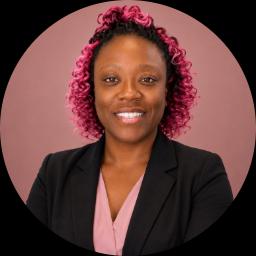
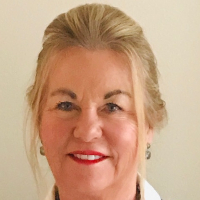
Suzanne Stokes
LMHC
Practical guidance with calming, steady support
- Stress, Anxiety
- Relationship
- Self esteem

38 years in practice
Clinical social work directory
44 therapists in this directory hold a licence issued in Florida and name hypnotherapy among their approaches. Sessions are online; a US therapist can usually only see people in a state where they hold a licence, so check the credentials panel on each profile.
Welcome to our Florida online therapy listings. All therapists shown here are licensed in Florida and provide teletherapy services to residents across the state. Explore profiles to learn about specialties, languages, and approaches that match your needs.
LMHC
Practical guidance with calming, steady support
LMHC
Compassionate practical therapy focused on change
LMHC
Experienced hypnotherapy and CBT therapist
LCSW
Compassionate hypnotherapy and holistic counseling
LCSW
Practical, goal-focused therapy with hypnosis options
LMHC
Calm-focused, practical therapy for everyday struggles
LMHC
Compassionate counselor helping people rewrite their story
LMFT
Calm-focused therapist with practical tools
LCSW
Steady, practical support for lasting change
LMHC
Experienced counselor blending practical tools and empathy
LMHC
Compassionate hypnotherapy and talk therapy
LMHC
Compassionate therapist focused on practical change
LCSW
Experienced LCSW focusing on life change
LMHC
Calm-focused counselor for stress and trauma
LCSW
Practical support for stress and relationships
LICSW, LCSW
Experienced clinician using hypnotherapy and talk therapy
LICSW, LCSW
Warm client-centered therapist with hypnotherapy tools
LMHC
Hypnotherapy-informed counselor focused on practical tools
LCSW
Calm, experienced guidance for practical change
LMHC
Compassionate, goal-focused counseling
LCSW
Compassionate clinician guiding practical change
LMFT
Compassionate therapist focused on practical change
LCSW
Experienced LCSW blending practical therapy and hypnotherapy
LMHC
Calm, practical therapy for life’s hard moments
LMHC, LPC
Calm practical help for life and relationships
LMHC
Practical hypnotherapy and talk therapy for change
LMHC
Gentle, goal-focused therapy for life challenges
LPC, LMHC
Collaborative therapist focused on practical change
LCSW
Compassionate, practical therapy with hypnotherapy options
LMHC, LMFT
Experienced counselor using hypnotherapy and CBT
LCSW
Bilingual LCSW offering practical, compassionate care
LMFT
Compassionate therapist for relationship and life shifts
LMFT
Practical, bilingual LMFT for relationship and trauma concerns
LMFT
Compassionate online therapist guiding practical change
LCSW
Calm, practical therapy for clearer choices
Some links on this page are partner links. We will earn a commission if you sign up through one, at no cost to you. It does not change what you pay or the order of the listings.
Online therapy has become an established option for people living in Florida, offering remote access to mental health and behavioral health services across the state. If you are seeking teletherapy, you will encounter therapists who work from different parts of Florida and who offer sessions by video or phone. Many practitioners list a range of approaches and specialties on their profiles, which helps you see who focuses on areas such as anxiety, depression, relationship concerns, trauma recovery, stress management, or behavioral change. Because regulations generally require that a therapist be licensed in the state where you are located during a session, the therapists listed here hold Florida licenses. As a result, you can focus on finding someone whose therapeutic approach, professional credentials, and languages align with your preferences.
Teletherapy sessions typically take place through video conferencing platforms or by phone. You can expect sessions to follow a similar flow to in-person visits - opening check-in, focused work on goals you set with the therapist, and a closing summary - but the format allows you to participate from your home, office, or another location in Florida. Some therapists describe offering shorter check-in sessions or longer, in-depth appointments depending on the needs you describe. If you have specific technology needs, you can look for therapists who mention the platforms or formats they use in their profiles.
Online therapy removes geographical barriers and can make it easier to access a practitioner whose experience and approaches match the concerns you want to address. In a large and diverse state like Florida, the ability to connect remotely increases the pool of therapists who speak your native language or who list experience with particular communities and cultural backgrounds. You can choose a therapist who lists approaches you prefer, such as cognitive behavioral work, mindfulness-informed care, psychodynamic perspectives, or hypnotherapy among their approaches. This flexibility is especially helpful if you live in an area where local in-person options are limited.
Beyond choice, teletherapy can fit more easily around work, school, or family commitments because you do not need to travel to an office. For some people, meeting from home or another familiar setting helps them feel more at ease in session. You should plan to find a personal, quiet place for your appointment and confirm that your internet connection and device support video if you plan to use that format. Many people find that teletherapy helps them maintain continuity of care during life changes, seasonal moves, or when they are traveling within the state.
Therapists who provide teletherapy address a wide range of concerns. Common reasons people pursue online therapy include managing symptoms of anxiety and depression, coping with life transitions such as relocation or job change, addressing relationship or family issues, and working through grief or loss. Therapists also often support people dealing with stress related to caregiving, parenting, academic pressures, or work performance. If trauma is a concern, you will find therapists who list trauma-focused approaches among their methods and who describe work with survivors of different sorts of stressful events.
Some people seek help for behavioral health patterns like insomnia, substance use challenges, or chronic stress that affects daily functioning. Others pursue therapy for personal growth, improved communication skills, or to develop strategies for emotional regulation. Profiles often indicate that a therapist works with certain age groups - for example adolescents, adults, or older adults - and may list specific populations they serve. When reviewing profiles, pay attention to the issues and client groups that feature in a therapist’s description so you can identify those who commonly work with concerns similar to your own.
Verifying licensure is an important step before beginning teletherapy. The state of Florida maintains public resources where you can look up a therapist’s license status, license type, and any official actions. You can search by the practitioner’s name or license number on the Florida health licensure portal to confirm that a license is active and that the practitioner is authorized to practice in the relevant discipline. Typical license categories you may encounter include licensed mental health counselors, clinical social workers, marriage and family therapists, psychologists, and medical providers such as psychiatrists.
When you view a license record, note the license type, issuance date, any discipline or restrictions that are listed, and whether the license is current. Records can also show public disciplinary history if there have been formal actions. Because profiles sometimes list approaches or specialties, you should rely on the state record for licensure verification rather than on claims about training or certification. If you have questions about what you see on a license search, the licensing board’s contact information is typically available on the same site and can provide clarification about formal credentials and the scope of practice associated with a particular license.
Getting started begins with clarifying what you hope to accomplish in therapy and what format will work best for you. Take a moment to write down the issues you want help with, any preferences you have for therapy approach, and practical considerations like session length and language. Use therapist profiles to identify practitioners who list those areas and approaches among their offerings. Many profiles include short biographies, summary statements, and information about the populations a therapist works with - read these descriptions to get a sense of focus and temperament.
When you reach out to a therapist, you can describe your primary goals and ask about the typical course of work they offer. The first few sessions are often used to assess fit and to set achievable goals together. You should agree on logistics such as session length, frequency, payment methods, and what to do in case of technical interruptions. Plan to use a personal, quiet space for sessions to protect your own comfort and focus. Setting clear expectations at the outset helps you and the therapist align on goals, pacing, and the kinds of support you are seeking.
Choosing a therapist is a personal decision that depends on many factors beyond credentials. Think about what matters most to you - whether that is a specific therapeutic approach, shared cultural background, language spoken, or experience with particular life stage concerns. Read profile descriptions to learn how a therapist frames their work and what types of issues they commonly address. Profiles that mention modalities list them as approaches rather than proof of specific training, so use those listings as a starting point for conversation rather than a guarantee of particular qualifications.
Trust your impressions from initial conversations. You may find that a therapist’s communication style, pace, or therapeutic focus feels like a good match, or you may prefer to continue looking. It is reasonable to prioritize how comfortable and understood you feel in early sessions. If communication or goals do not align, you can discuss adjustments or search for another therapist whose profile better reflects your priorities - for example someone who lists a specific approach, works with your age group, or offers services in your preferred language. Taking the time to review profiles and have an introductory conversation can help you find a therapeutic relationship that supports the change you hope to achieve.
Online therapy in Florida offers a flexible way to access care while staying with providers who hold Florida licensure. By reviewing profiles, verifying license status through state resources, and starting conversations about goals and approach, you can make an informed choice about who to work with. Use the listings here to explore options and to find a practitioner whose approach, experience, and communication style align with what you need.