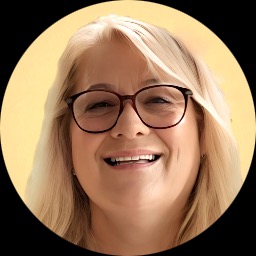
Sharon McHugh, BACP
7 years in practice
Sharon McHugh is a counsellor with seven years' experience helping people recover from anxiety and trauma linked to difficult upbringings.
License and registration
- BACP
- 376880 · expires February 2027
- Years in practice
- 7
- Languages
- English
Details are as listed on the therapist's public professional profile. You can check the registration with the body that granted it.
About Sharon
Sharon McHugh is a counsellor with seven years' experience helping people recover from anxiety and trauma linked to difficult upbringings. She offers a calm, patient space where clients set the pace and lead the conversation. Sessions are intended to help people make sense of their experiences and take steps towards change.
Sharon describes her style as open and empathetic. In the first meeting she discusses goals and agrees a plan to work towards them.
Background and approach
She listens closely and asks gentle questions to help people tell their story in their own words. Her practice draws on a mix of approaches including Cognitive Behavioural Therapy, Dialectical Behaviour Therapy, Client-Centred work and Hypnotherapy. She also uses solution-focused ideas when short-term direction is useful.
These methods are applied flexibly to suit each person’s needs. Sharon has worked in independent practice and external agencies. That background informs how she supports people who developed coping strategies in childhood that later cause low self-esteem, people-pleasing, or a sense of not knowing themselves.
She helps clients recognise patterns and try different ways of coping. Her listed qualification is BACP, the British Association for Counsellors and Psychotherapists. Sharon keeps learning through regular courses to broaden her skills.
She aims to support people as they heal and grow into the life they want.
Focus areas and approaches
Everything Sharon lists on their public professional profile, in their own terms.
- Stress, Anxiety
- Trauma and abuse
- Grief
- Coping with life changes
- ADHD
- Addictions
- Relationship issues
- Intimacy-related issues
- Sleeping disorders
- Self esteem
- Career difficulties
- Depression
- Compassion fatigue
- Codependency
- Drug and alcohol addiction
- Emptiness
- First responder issues
- Guilt and shame
- Impulsivity
- Life purpose
- Midlife crisis
- Veteran and Armed Forces Issues
- Panic disorder and panic attacks
- Phobias
- Post-traumatic stress
- Seasonal Affective Disorder (SAD)
- Smoking / vaping cessation
- Social anxiety and phobia
- Women's issues
- Workplace issues
- Young adult issues
Approaches Sharon names
- Hypnotherapy
- Client-Centered Therapy
- Cognitive Behavioral Therapy (CBT)
- Dialectical Behavior Therapy (DBT)
- Solution-Focused Therapy
- Trauma-Focused Therapy
- Internal Family Systems
Naming an approach is not evidence of training in it. This directory copies what each therapist lists and does not check training records.
Online support
How these approaches work online
Sharon uses a small number of practical approaches that translate well to remote work. Hypnotherapy involves guided relaxation and focused attention to help address issues such as smoking cessation, sleep problems and some anxiety symptoms. Client-Centred Therapy focuses on listening and reflecting so the client feels heard and can explore their own solutions; it suits people who need space to make sense of feelings. Cognitive Behavioural Therapy (CBT) helps identify unhelpful thoughts and behaviours and then tries new ways of thinking or acting; it is often used for anxiety, panic and low mood.Choosing the right approach is part of the work together. Sharon will discuss goals, try methods that seem useful, and adjust the plan as progress is made. That collaborative process means the approach can change as needs and preferences become clearer.
Online formats offer flexibility for different situations. Video calls let the therapist and client use face-to-face interaction while being in different places. Phone sessions work well if bandwidth is limited or the client prefers not to be on camera. Live chat and text-based messaging are useful for brief check-ins, shorter sessions or when typing feels easier than speaking. These options make it simpler to fit therapy around work, family and travel commitments while keeping the focus on progress.
We will earn a commission if you sign up through our link, at no cost to you. It does not change what you pay or the order of the listings.
Questions people ask
What concerns does Sharon help with?
She works with stress, anxiety, trauma and abuse, grief, depression and related issues such as low self-esteem, sleeping problems, addictions and relationship or intimacy-related worries.
What is her therapeutic style like?
Sessions are led by the client and take a warm, non-judgemental tone. She listens, asks questions to clarify what matters most, and helps set realistic goals.
What experience does she have?
She has seven years of experience working in both independent practice and external agencies supporting people with anxiety and trauma from difficult upbringings.
What qualifications and location are listed?
Her listed credential is BACP, the British Association for Counsellors and Psychotherapists, and she practices in the United Kingdom.
Which languages are supported for sessions?
Sessions are offered in English.
What session formats are available?
She offers video calls, phone sessions, live chat and text-based messaging to suit different needs and schedules.
How are fees handled?
Costs vary with location and therapist availability; sessions use a subscription that can be cancelled at any time.
How do I begin therapy with her?
Choose the Start Therapy button, complete a short matching questionnaire, and then schedule sessions according to the therapist's availability.
Is this your profile?
Ask us to correct details or take the page down.
Contact us