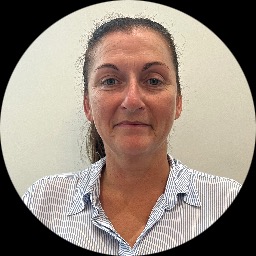
Tatyana Sibthorpe
BACP
Compassionate hypnotherapy and talking therapy support
- Addictions
- Relationship
- Trauma and abuse

16 years in practice
Clinical social work directory
373 therapists list panic disorder and panic attacks among the things they work with. All offer sessions online, and every profile shows the registering body, the membership number and when it runs to.
On this page you will find therapists who list panic disorder and panic attacks among their specialties. Browse the listings below to explore different approaches, languages, credentials and experience to guide your search.
BACP
Compassionate hypnotherapy and talking therapy support
NCPS
Hypnotherapy-informed counsellor focused on practical change
NCPS
Calm, practical support for grief and stress
LCSW-C, LCSW
Experienced LCSW helping practical change
HCPC, BACP
Calm, practical support for life’s harder moments
HCPC
Gentle practical therapy with hypnotherapy options
BACP, NCPS
Calm, trauma-informed hypnotherapy and counselling
NCPS
Practical, strength-based support with hypnotherapy
BACP
Hypnotherapy-informed counsellor with extensive experience
LPC
Compassionate therapist who blends hypnotherapy and evidence-based care
LPCC, LPC
Collaborative counselor blending practical therapies
BACP
Expert counsellor using mindfulness and hypnotherapy
NCPS
Practical, approachable counselling with hypnotherapy
NCPS
Flexible hypnotherapy-informed psychotherapeutic counselling
NCPS
Calm, values-driven counselling and hypnotherapy
BACP
Calm practical counselling with hypnotherapy
NCPS
Compassionate counsellor using hypnotherapy and listening skills
NCPS
Hypnotherapy and conversational counselling for change
NCPS
Compassionate counsellor for stress and life change
NCPS
Therapist offering hypnotherapy and talking therapies
BACP
Gentle, experienced counsellor for life changes
NCPS
Calm, practical support for stress and relationships
NCPS
Calm listening with practical tools
LMFT, LCMFT
Compassionate, direct therapy for relationship patterns
NCPS
Calm, practical therapy for everyday overwhelm
BACP
Calm, practical support for stress and life change
BACP
Practitioner offering hypnotherapy and mindful counselling
ACA
Practical, respectful counselling with hypnotherapy options
BACP
Gentle, person-centred support with hypnotherapy
LCSW
Compassionate, practical help for tough times
AASW
Experienced counsellor using hypnotherapy and evidence-based care
NCPS
Practical counselling with a warm, adaptable approach
NCPS
Calm, practical therapy with hypnotherapy support
LPC
Compassionate counselor focused on meaningful change
NCPS
Person-focused hypnotherapy and mindfulness support
NCPS
Calm, practical counselling with clear tools
BACP
Calm, practical support for difficult moments
Some links on this page are partner links. We will earn a commission if you sign up through one, at no cost to you. It does not change what you pay or the order of the listings.
Panic attacks are intense episodes of sudden fear or discomfort that can come on quickly and reach a peak within minutes. You may experience physical sensations such as a racing heart, shortness of breath, dizziness, trembling or a sense of unreality. When these attacks occur repeatedly and are accompanied by worry about future attacks or changes in behavior to avoid them, clinicians often describe the pattern as panic disorder. The condition affects people in different ways. For some, attacks happen in specific situations and then become linked to places or activities. For others, attacks may appear unexpectedly without a clear trigger. Over time you might begin to anticipate attacks and alter your routines to try to prevent them. This anticipation can add its own burden, shaping how you travel, socialize or manage everyday tasks.
Your experience of panic may also include emotional effects that are less visible than physical symptoms. You might feel shame, embarrassment or guilt after an attack, or grow worried about what others will think. Sleep and concentration can be affected. You may notice a narrowing of interests as you prioritize avoidance over activities that used to be meaningful. These patterns do not mean there is something wrong with your character. They reflect how the nervous system, thoughts and behaviors interact under stress. Therapy aims to break that cycle by helping you understand what is happening and build skills to respond differently when symptoms arise.
Deciding whether to seek therapy is a personal choice, but there are common signs that therapy might help. If panic attacks are interfering with your ability to work, study, maintain relationships or do things you value, therapy can offer practical strategies and emotional support. You might find that worry about future attacks consumes a lot of mental energy or that you have started avoiding situations where you fear an attack could occur. If the attacks are frequent, intense or leave you feeling exhausted or withdrawn, a therapist can work with you to assess patterns and plan next steps.
You may also notice physical health consequences such as disrupted sleep, persistent tension or a cycle of stress-related habits that make life harder. Even if you have tried self-help techniques and still find that anxiety persists, therapy can provide a tailored approach that addresses the specific ways panic shows up for you. If you are unsure whether your experience meets a clinical threshold, a consultation with a mental health professional can clarify the picture and explain what types of support may fit your needs and preferences.
In early sessions a therapist will typically ask about your history of panic attacks, how they began, and how they affect your day-to-day life. You will be invited to describe physical symptoms, thoughts and behaviors that tend to occur before, during and after an attack. This assessment helps form a shared understanding of patterns so that you and your therapist can agree on goals. You can expect a collaborative conversation about what you want to change and what feels manageable in the early weeks of work together.
As therapy progresses you will likely practice techniques aimed at reducing the frequency or intensity of attacks and changing the way you respond to anxiety. Sessions often include psychoeducation - learning how panic works in the body and mind - as well as training in breathing, relaxation and grounding skills to help you cope in the moment. Many people also work on identifying and reframing thoughts that escalate fear, and gradually testing those thoughts in real-life situations. Therapy commonly involves both in-session exercises and between-session practice so that skills become useful outside the therapy room. You should expect a steady focus on building confidence, tolerating discomfort, and restoring activities you value.
There are several therapeutic approaches that people explore when addressing panic. Cognitive behavioral therapy, often abbreviated as CBT, is frequently mentioned by therapists and emphasizes the relationship between thoughts, feelings and behaviors. In CBT you may learn to notice unhelpful thought patterns and experiment with alternative interpretations that reduce anxiety. Exposure-based work is another element many therapists include; this approach involves facing feared sensations or situations in a gradual, controlled way so that you learn through experience that anxiety decreases over time. Some therapists describe this as interoceptive exposure when it focuses on internal body sensations that mimic panic.
Other therapists list acceptance and commitment therapy among their approaches, which emphasizes learning to make space for uncomfortable emotions while committing to actions that reflect your values. Mindfulness and relaxation techniques are often integrated to strengthen moment-to-moment awareness and regulate arousal. You will also find therapists who list EMDR among their approaches, noting that some people find it helpful when panic is connected to past traumatic experiences. Because this directory includes practitioners who list hypnotherapy or guided imagery among their approaches, you may encounter therapists who offer those methods as part of a broader plan. When reviewing profiles, look for descriptions that explain how an approach is applied to panic so you can decide what aligns with your preferences.
Online therapy has become a common way to access support for panic disorder. Sessions are typically conducted via video call, phone or messaging platforms, allowing you to work with someone from home or another setting that feels comfortable. This format can be particularly useful when panic makes traveling to appointments difficult. In online sessions you can still learn skills, practice exposure exercises and receive feedback in real time. Some therapists may use screen-sharing to walk through worksheets or listen to audio guides together. If you prefer face-to-face contact, many profiles note whether a therapist offers in-person sessions, while others focus exclusively on remote work.
Choosing a therapist involves thinking about practical and personal fit. Start by considering which approaches appeal to you and then look for profiles that describe relevant experience or focus areas rather than assuming any single label means a perfect fit. Pay attention to language options if you prefer to work in a language other than English, and note credentials and professional background as part of how you evaluate expertise. You may want to read how a therapist talks about panic on their profile to see whether their style feels empathetic, pragmatic or exploratory in a way that suits your temperament. Trust your instincts about rapport - the relationship between you and your therapist is a key factor in progress. Finally, consider how sessions are structured - frequency, session length and the use of homework - so that the plan is realistic for your life.
When panic co-occurs with other concerns such as mood changes, trauma history or health issues, many people find it helpful when therapists describe a collaborative approach with medical providers or other members of a care team. If medication is something you are considering, a therapist can discuss how psychological work and medical treatment might complement one another and, when appropriate, help you communicate with prescribers. The overall goal is to help you regain a sense of agency over panic symptoms, reduce avoidance, and restore participation in activities that matter to you.
Finding the right therapist can take time, and it is normal to speak with more than one practitioner before deciding who to work with. Use profiles to narrow options by approaches, credentials and languages, and then rely on the consultation conversation to get a feel for how you might work together. With the right match and a plan tailored to your needs, therapy can offer practical tools and steady support as you learn to manage panic symptoms and reconnect with the parts of life that matter to you.