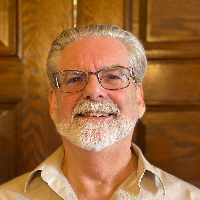
Edward Falsey, LCSW
New York · 25 years in practice
Edward Falsey is a licensed clinical social worker with 25 years of experience helping people facing stress, anxiety, depression, grief, and relationship struggles.
License and registration
- LCSW, New York
- R033135-1 · expires June 2026
- NPI
- 1447538277 · national provider identifier
- Years in practice
- 25
- Languages
- English
Details are as listed on the therapist's public professional profile. You can check the license with the issuing state board, and the NPI with the national registry.
About Edward
Edward Falsey is a licensed clinical social worker with 25 years of experience helping people facing stress, anxiety, depression, grief, and relationship struggles. He uses clear, practical methods so people can start making small changes right away. Edward makes sessions about the person in front of him and their goals.
He blends hypnotherapy with attachment-based and client-centered ideas to address how early relationships affect current patterns. Sessions include talking through emotions, noticing behavior patterns, and trying simple techniques to reduce anxiety and cravings.
Background and approach
He helps people who are dealing with addiction, trauma and abuse, or difficult family dynamics to find steadier ground. Edward draws on cognitive behavioral and mindfulness approaches to teach tools for managing stress and upsetting thoughts. That work often focuses on everyday habits - sleep, routines, communication - that can ease mood and tension.
He also supports people through life changes such as divorce, bereavement, or serious illness. People often bring concerns about abandonment, codependency, or mixed family structures like blended families. Edward pays attention to family of origin issues and how they shape present relationships.
He works to make relationship skills concrete and usable in daily life. Sessions are offered from his New York practice in English. His style is collaborative and respectful - he listens first, then helps plan steps that match each person’s needs and pace.
Focus areas and approaches
Everything Edward lists on their public professional profile, in their own terms.
- Stress, Anxiety
- Addictions
- Relationship issues
- Family conflicts
- Depression
- LGBT
- Trauma and abuse
- Grief
- Abandonment
- Aging and geriatric issues
- Attachment issues
- Blended family issues
- Cancer
- Caregiver issues and stress
- Codependency
- Communication problems
- Coping with natural or human-caused disaster
- Dissociation
- Divorce and separation
- Domestic violence
- Drug and alcohol addiction
- Family of origin issues
- Family problems
- Fatherhood issues
- Forgiveness
- Guilt and shame
- Infidelity
- Isolation / loneliness
- Men's issues
- Mood disorders
- Obsessions, compulsions, and OCD
- Process addiction (porn, exercise, gambling)
- Seasonal Affective Disorder (SAD)
- Sex addiction
- Sexual dysfunction
- Sexuality
- Social anxiety and phobia
Approaches Edward names
- Hypnotherapy
- Attachment-Based Therapy
- Client-Centered Therapy
- Cognitive Behavioral Therapy (CBT)
- Mindfulness Therapy
- Psychodynamic Therapy
- Solution-Focused Therapy
Naming an approach is not evidence of training in it. This directory copies what each therapist lists and does not check training records.
Online support
How therapeutic approaches translate to online care
Edward uses hypnotherapy as one option to help people relax bodily tension and focus attention, which can make it easier to work through trauma responses, cravings, or persistent anxiety. He also draws on attachment-based therapy to look at how early relationships shape current patterns of relating and closeness, helping people change repeating dynamics in their adult life.He favors a client-centered stance where the person’s goals guide each session. Finding the right approach is a collaborative process - he listens to what matters most, experiments with methods that fit the goals, and adjusts based on what feels helpful. That partnership helps tailor whether hypnotherapy, CBT-style skill practice, or mindfulness exercises will be emphasized.
Online sessions are offered by video calls, phone, live chat, or text-based messaging to suit different needs. Video calls let you see facial cues for relational work, phone can be lower bandwidth and easier on a busy day, live chat or messaging work well for short check-ins or when typing feels more comfortable. These options increase flexibility for scheduling, shorten commute time, and make it easier to fit therapy into daily life.
We will earn a commission if you sign up through our link, at no cost to you. It does not change what you pay or the order of the listings.
Questions people ask
What kinds of concerns does Edward help with?
He works with stress, anxiety, depression, grief, addictions, trauma and abuse, and relationship or family problems.
What is his therapy style like?
He combines hypnotherapy with attachment-based and client-centered approaches, using gentle guidance and practical skills in sessions.
How long has he been practicing?
He has 25 years of clinical experience supporting people through addiction recovery, family issues, and emotional healing.
Where is he licensed and based?
He is a LCSW - Licensed Clinical Social Worker - practicing in New York.
Which languages are supported for sessions?
Sessions are offered in English.
Can international clients work with him?
He does not accept international clients at this time.
What formats are available for sessions?
Sessions can be conducted by video calls, phone sessions, live chat, or text-based messaging.
How are costs and scheduling handled?
Cost varies with location and therapist availability and uses a subscription model that can be canceled at any time; to begin, use the Start Therapy button and complete the short matching questionnaire.
More therapists in New York
See allGerard Riconda
LCSW
Practical, empathetic therapy focused on clear steps forward
- Stress, Anxiety
- Family
- Trauma and abuse

Edward Millet
LMHC
Compassionate counselor with practical strategies
- Stress, Anxiety
- Relationship
- Family

Michelle Bronster
LCSW
Compassionate practical care using hypnotherapy
- Stress, Anxiety
- Relationship
- Depression

Lisa Rosario
LCSW
Compassionate, experienced New York LCSW
- Stress, Anxiety
- Relationship
- Trauma and abuse
Is this your profile?
Ask us to correct details or take the page down.
Contact us