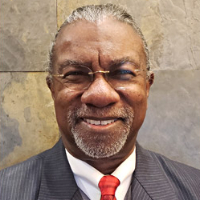
Tatyana Sibthorpe
BACP
Compassionate hypnotherapy and talking therapy support
- Addictions
- Relationship
- Trauma and abuse

16 years in practice
Clinical social work directory
409 therapists list forgiveness among the things they work with. All offer sessions online, and every profile shows the registering body, the membership number and when it runs to.
Browse therapists and hypnotherapists who list forgiveness among their specialties. Use the listings below to compare approaches, credentials, languages, and focus areas to guide your decision.
BACP
Compassionate hypnotherapy and talking therapy support
NCPS
Hypnotherapy-informed counsellor focused on practical change
NCPS
Calm, practical support for grief and stress
LCSW-C, LCSW
Experienced LCSW helping practical change
LMHC
Practical guidance with calming, steady support
HCPC, BACP
Calm, practical support for life’s harder moments
HCPC
Gentle practical therapy with hypnotherapy options
NCPS
Practical, strength-based support with hypnotherapy
BACP
Hypnotherapy-informed counsellor with extensive experience
LMHC
Compassionate practical therapy focused on change
LPC
Compassionate therapist who blends hypnotherapy and evidence-based care
LPCC, LPC
Collaborative counselor blending practical therapies
BACP
Expert counsellor using mindfulness and hypnotherapy
NCPS
Practical, approachable counselling with hypnotherapy
NCPS
Flexible hypnotherapy-informed psychotherapeutic counselling
NCPS
Compassionate counsellor using hypnotherapy and listening skills
NCPS
Hypnotherapy and conversational counselling for change
NCPS
Compassionate counsellor for stress and life change
NCPS
Therapist offering hypnotherapy and talking therapies
BACP
Gentle, experienced counsellor for life changes
NCPS
Calm, practical support for stress and relationships
NCPS
Calm listening with practical tools
LMFT, LCMFT
Compassionate, direct therapy for relationship patterns
NCPS
Calm, practical therapy for everyday overwhelm
BACP
Calm, practical support for stress and life change
BACP
Practitioner offering hypnotherapy and mindful counselling
BACP
Compassionate therapist helping people change patterns
BACP
Gentle, person-centred support with hypnotherapy
BACP
Helping people find calm and practical change
LCSW
Compassionate, practical help for tough times
NCPS
Experienced counsellor focused on practical change
BACP, NCPS
Experienced counsellor using hypnotherapy and CBT
AASW
Experienced counsellor using hypnotherapy and evidence-based care
LMHC
Experienced hypnotherapy and CBT therapist
Some links on this page are partner links. We will earn a commission if you sign up through one, at no cost to you. It does not change what you pay or the order of the listings.
Forgiveness is often described as a change in how you relate to a person or event that caused harm. It does not necessarily mean forgetting what happened or excusing the behavior. Instead, many people experience forgiveness as a shift that reduces the intensity of anger, resentment, or preoccupation with the past. That shift can feel gradual or sudden, and it may involve letting go of a desire for revenge, accepting limits to control, or finding a new sense of meaning after a hurtful experience.
When you carry ongoing resentment or unresolved wounds, it often affects more than the memory of the incident. Relationships can feel strained, trust may be harder to offer, and you might notice tension in the body when certain topics arise. Some people find that persistent hurt influences decisions at work, social life, or parenting. While forgiveness is not a one-size-fits-all remedy, exploring it in therapy can change how you invest emotional energy and how you relate to others and to yourself.
You might consider forgiveness-focused therapy if you notice that anger or resentment comes up frequently and interferes with your relationships or daily functioning. Replaying an offense in your mind, experiencing recurring physical tension tied to past events, or finding that you avoid places and people connected to the hurt are common experiences that bring people into therapy. Sometimes the need for forgiveness is obvious after a specific betrayal or loss. Other times it appears as a pattern of carrying grudges that undermines intimacy and personal well-being.
Therapy may help when unresolved issues from the past make it difficult to move forward with life goals, to form new relationships, or to participate fully at work. If you find yourself declining opportunities because of trust fears, or if you repeatedly react to present situations as if they were past offenses, a focused therapeutic process can help you examine those patterns. Forgiveness work is often connected to grief, relationship repair, and learning new ways to set boundaries while preserving your sense of self.
In therapy for forgiveness you can expect a process that is paced to your readiness. Sessions typically begin with exploration - you and the therapist will work to clarify the events, emotions, and meanings attached to the hurt. Over time you may move toward practices that help you manage intense feelings, reframe how you interpret the event, and develop new responses. The goal is often to expand your options so you can choose how to respond rather than reacting out of accumulated pain.
Therapists often incorporate reflective exercises, written work, role plays, or imagery to complement conversation. You might be invited to write letters you do not send, practice expressing your needs with assertive phrasing, or explore memories with a new perspective. Homework between sessions is common, and it usually focuses on small, concrete experiments in thought or behavior that help you test new ways of relating to old wounds. The pace and specific methods will depend on your comfort level and the therapist's approach.
Therapists who list cognitive-behavioral methods among their approaches might emphasize identifying and shifting thought patterns that keep anger alive. You may explore beliefs that fuel hurt and learn practical skills to interrupt rumination. Therapists who list acceptance and commitment approaches among their approaches tend to focus on values-guided living - helping you accept difficult emotions while committing to actions that align with what matters most to you.
Some practitioners include narrative work that helps you retell painful experiences in ways that honor your strength and change the story's impact on your identity. Therapists who list EMDR among their approaches may use bilateral stimulation alongside memory-focused work to reduce the emotional charge of specific memories. Therapists who list hypnotherapy among their approaches may offer guided imagery or trance-based techniques to access resources and new perspectives. It is common for therapists to blend approaches based on the needs you describe, and language like "therapists who list X among their approaches" can help you identify clinicians whose methods match what you are seeking.
Online therapy for forgiveness typically takes place over video or audio sessions, with some therapists offering text or email check-ins as complements. You can choose a therapist who lists language skills or experience working with particular populations that are relevant to your needs. Online work enables access to clinicians who use specialized approaches, and it makes it easier to continue work if you relocate or travel. Before you begin, consider where you will sit for sessions so you can focus and feel comfortable during emotionally intense conversations.
To get the most from online sessions, create a calm environment, test your technology ahead of time, and decide whether you prefer shorter, more frequent sessions or longer, less frequent ones. Be open with your therapist about how real-time emotional reactions show up for you during online work - some people find it easier to disclose through a screen, while others need adjustments to feel present. Talk with your chosen therapist about how they handle follow-up between sessions and what to do if a session brings up unexpectedly strong feelings.
When looking for a therapist, think about the type of relationship and approach that will suit you. Some people want a therapist who centers practical skills and cognitive strategies. Others are drawn to clinicians who emphasize emotion-focused exploration or narrative reframing. If hypnotherapy or EMDR are of interest, search for therapists who list those methods among their approaches and read their profiles to see how they describe using them. Pay attention to languages listed and any population or relational focus that aligns with your experience.
Before you make a decision, reflect on what matters most in therapy for you - whether it is clear structure, a gentle pace, direct emotional work, or collaboration on actionable steps. Consider reaching out to a few therapists to get a sense of their communication style and how they describe forgiveness work. You might ask about how they frame progress, what a typical session looks like, and how they support clients between appointments. Choosing a therapist often comes down to the rapport you feel and the sense that their approach matches your goals.
If you are ready to start, explore the therapist listings above to compare specialties, languages, and approaches so you can find someone whose description resonates with you. Forgiveness is a personal journey - therapy can offer a guided path toward greater emotional freedom and clearer relationships when you are ready to begin.