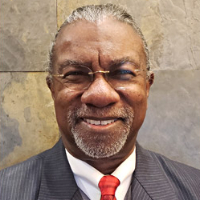
Tatyana Sibthorpe
BACP
Compassionate hypnotherapy and talking therapy support
- Addictions
- Relationship
- Trauma and abuse

16 years in practice
Clinical social work directory
242 therapists list domestic violence among the things they work with. All offer sessions online, and every profile shows the registering body, the membership number and when it runs to.
Find profiles of therapists who focus on domestic violence, trauma, and relationship safety. Browse the listings below to compare approaches, languages, and areas of focus as you look for a clinician who may be a good match for you.
BACP
Compassionate hypnotherapy and talking therapy support
NCPS
Hypnotherapy-informed counsellor focused on practical change
NCPS
Calm, practical support for grief and stress
LCSW-C, LCSW
Experienced LCSW helping practical change
HCPC
Gentle practical therapy with hypnotherapy options
BACP, NCPS
Calm, trauma-informed hypnotherapy and counselling
NCPS
Practical, strength-based support with hypnotherapy
BACP
Hypnotherapy-informed counsellor with extensive experience
LPC
Compassionate therapist who blends hypnotherapy and evidence-based care
LPCC, LPC
Collaborative counselor blending practical therapies
BACP
Expert counsellor using mindfulness and hypnotherapy
NCPS
Hypnotherapy and conversational counselling for change
NCPS
Therapist offering hypnotherapy and talking therapies
NCPS
Calm, practical support for stress and relationships
NCPS
Calm listening with practical tools
LMFT, LCMFT
Compassionate, direct therapy for relationship patterns
NCPS
Calm, practical therapy for everyday overwhelm
BACP
Calm, practical support for stress and life change
BACP
Supportive counsellor using hypnotherapy and mindfulness
BACP
Compassionate therapist helping people change patterns
BACP
Gentle, person-centred support with hypnotherapy
BACP
Helping people find calm and practical change
LCSW
Compassionate, practical help for tough times
NCPS
Experienced counsellor focused on practical change
BACP, NCPS
Experienced counsellor using hypnotherapy and CBT
AASW
Experienced counsellor using hypnotherapy and evidence-based care
BACP
Experienced psychotherapist and coach
NCPS
Person-focused hypnotherapy and mindfulness support
BACP
Calm, practical support for difficult moments
BACP
Calm, practical counselling with multiple approaches
NCPS
Calm practical support for life’s hard moments
LMHC
Experienced counselor blending hypnotherapy and talk therapy
NCPS
Practical hypnotherapy with goal-focused counselling
BACP, NCPS
Calm, practical therapy for life’s hard moments
LPC
Calm, practical support for life’s hard moments
LCPC
Experienced LCPC focused on practical change
Some links on this page are partner links. We will earn a commission if you sign up through one, at no cost to you. It does not change what you pay or the order of the listings.
Domestic violence refers to patterns of behavior used by one person to gain or maintain power and control over an intimate partner. It can include physical harm, threats, emotional or psychological coercion, financial control, stalking, and sexual abuse. Because domestic violence involves both immediate harm and ongoing patterns of manipulation, its effects are often complex and far-reaching.
You may notice changes in mood, sleep, concentration, and energy after experiencing domestic violence. People often describe feeling hypervigilant, anxious, numb, or detached. Relationships with friends and family can shift as you cope with fear, embarrassment, or conflicting loyalties. Physical injuries are sometimes present, but many people experience intense distress even when no visible injuries exist. Over time, repeated exposure to controlling behavior can shape beliefs about self-worth, safety, and what is acceptable in relationships.
Survivors from all backgrounds face unique challenges. Cultural expectations, immigration status, financial dependence, caregiving responsibilities, and community norms can all influence how someone experiences and responds to abuse. Recognizing the broad impact of domestic violence is an important first step toward finding supportive care that addresses both immediate needs and longer-term recovery.
You might consider therapy if you are trying to make sense of a relationship that feels controlling or harmful, or if you notice persistent emotional or physical symptoms after difficult interactions. Therapy can be helpful whether you are currently in the relationship, contemplating leaving, or working on life after separation. People often seek support for anxiety, panic, intrusive memories, sleep disruption, or persistent worries about safety. Others look for help processing shame, rebuilding trust in themselves, or navigating parenting and co-parenting decisions under stress.
Even if you are unsure whether what you experienced qualifies as domestic violence, a clinician can help you clarify your experiences and options. Therapy can be a place to explore practical concerns like communication strategies, boundary-setting, and planning for safety, as well as the emotional work of grief, anger, and recovery. If you are worried about immediate danger, it is important to contact local services or emergency responders who can assist with urgent safety planning.
In early sessions, a therapist will typically ask about your history, current circumstances, and what you hope to get from therapy. This conversation is an opportunity to describe relationships, identify immediate stressors, and share any pressing safety concerns. You should expect the clinician to discuss practical steps that support safety and stability, and to tailor their approach to your goals and cultural context.
Therapy often balances practical problem-solving with emotional processing. Practical work might include developing a safety plan, identifying resources for financial or housing assistance, and strategizing about communication when children are involved. Emotional processing addresses the traumatic aspects of abuse, the erosion of self-esteem, and the grief that can accompany the end of a relationship or the loss of trust. The pace of therapy varies. You may move quickly into action-oriented tasks if immediate concerns are present, or spend more time exploring emotions and beliefs if you are in a more stable situation.
It is also common for therapy to include skills for managing stress and grounding techniques to reduce overwhelming feelings. Over time, many people work on rebuilding a sense of agency, clarifying values, and strengthening relationships that feel supportive. You should feel able to discuss preferences for pace, goals, and communication with the therapist as the work progresses.
Therapists bring different methods and orientations to this work, and you will often find descriptions that reflect a mix of practical and trauma-informed approaches. Some therapists emphasize cognitive strategies that help you identify and change patterns of thinking that contribute to self-blame or helplessness. Others focus on processing traumatic memories and reducing their emotional intensity. You will also find clinicians who list supportive and relational approaches that center rebuilding trust and relational skills.
When reading profiles, note that some therapists list trauma-focused modalities among their approaches, while others highlight family systems work or strengths-based counseling. If you are interested in a specific method, look for therapists who list that approach as part of their practice, because that indicates it is part of how they describe their work rather than a guarantee of formal certification. Many people benefit from a blended approach that addresses safety and practical needs while also working on healing from trauma and repairing relationships.
It can also be helpful to find a therapist who mentions experience with populations or issues similar to yours, such as working with survivors of intimate partner violence, navigating cultural or faith-based concerns, or supporting parents who are managing child safety alongside relationship issues. Language skills and cultural understanding can make a difference in how comfortable you feel in sessions.
Online therapy offers options for connecting with clinicians across distances, which can be useful if you have mobility, childcare, or scheduling constraints. When you engage in online therapy, sessions typically occur via video, phone, or text-based messaging, and the format should be discussed at the start so you know what to expect. You should talk with the therapist about how they handle safety planning remotely, what steps they recommend if you feel at risk during a session, and how they coordinate with local resources when needed.
Choosing the right therapist involves more than matching an approach. Consider factors such as the therapist's stated focus areas, languages spoken, cultural competencies, and experience with issues similar to yours. Read profiles to learn how therapists describe their work and what kinds of clients they say they usually support. If a therapist lists specific approaches, keep in mind that this signals the methods they use rather than a credential. You may also want to look for clinicians who explicitly discuss taking a trauma-informed stance and who mention practical safety planning as part of their practice.
Trust your sense of fit. After you begin a conversation with a therapist, notice whether you feel heard and whether the clinician responds to your immediate concerns with practical suggestions. It is reasonable to ask how the therapist approaches safety planning, how they work with people in coercive relationships, and how they support recovery over time. You might also ask about session length, communication preferences between sessions, and whether they collaborate with other professionals or community services when needed. Finding a therapist who aligns with your needs and communicates clearly about how they work can make it easier to take the next step in your healing process.
If you are weighing options, remember that different clinicians will emphasize different aspects of recovery. Some will focus more on immediate safety and problem-solving, while others will devote more time to processing trauma and rebuilding identity. Pairing practical steps with emotional support tends to produce steady progress for many people. Whatever path you choose, looking through profiles and comparing approaches, languages, and focus areas can help you identify therapists who seem likely to match your needs. When safety concerns are urgent, seek local emergency help in addition to therapeutic support.