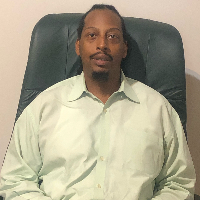
James Milner, LCSW, CSW
Georgia · 11 years in practice
James Milner is an LCSW and licensed clinical social worker based in Georgia.
License and registration
- LCSW, Georgia
- CSW004725 · expires September 2026
- NPI
- 1609129188 · national provider identifier
- Years in practice
- 11
- Languages
- English
Details are as listed on the therapist's public professional profile. You can check the license with the issuing state board, and the NPI with the national registry.
About James
James Milner is an LCSW and licensed clinical social worker based in Georgia. He sees adults who are dealing with stress, anxiety, depression, addictions, relationship and family concerns, grief, low self-esteem, bipolar disorder, and life transitions. He emphasizes understanding a person’s history and belief system to shape therapy that feels relevant and respectful.
He draws on a range of methods to match each person’s needs. His work includes cognitive behavioral strategies to change thinking patterns, acceptance and commitment techniques to clarify values and action, and hypnotherapy when appropriate to support change.
Background and approach
He also uses client-centered and dialectical behavior approaches to build skills and strengthen relationships. Milner trained in social work, earning a Bachelor of Social Work and a Master of Social Work from local universities. He holds clinical licensure as an LCSW and has spent many years in community mental health and program leadership roles.
That experience shaped his practical style and focus on real-life problem solving. He blends psychological, philosophical, and spiritual perspectives when it helps the person in front of him. This can include meditation or mindfulness practices, breath work, and other tools people find useful.
Sessions aim to be collaborative and goal-focused so people leave with specific steps to try between meetings. Outside clinical work he has led supportive housing initiatives and provided pastoral counseling. That background informs his interest in whole-person care and in addressing both practical needs and inner concerns.
Focus areas and approaches
Everything James lists on their public professional profile, in their own terms.
- Stress, Anxiety
- Trauma and abuse
- Anger management
- Depression
- Addictions
- Relationship issues
- Family conflicts
- Grief
- Self esteem
- Career difficulties
- Bipolar disorder
- Coping with life changes
- Abandonment
- Blended family issues
- Co-morbidity
- Codependency
- Commitment issues
- Communication problems
- Control issues
- Dependent personality
- Divorce and separation
- Domestic violence
- Drug and alcohol addiction
- Emptiness
- Family of origin issues
- Family problems
- Fatherhood issues
- Forgiveness
- Guilt and shame
- Infidelity
- Isolation / loneliness
- Jealousy
- Life purpose
- Men's issues
- Mood disorders
- Multicultural concerns
- Post-traumatic stress
- Prejudice and discrimination
- Self-love
- Sexual assault and abuse
- Social anxiety and phobia
- Workplace issues
Approaches James names
- Hypnotherapy
- Acceptance and Commitment Therapy (ACT)
- Client-Centered Therapy
- Cognitive Behavioral Therapy (CBT)
- Dialectical Behavior Therapy (DBT)
- Mindfulness Therapy
- Motivational Interviewing
- Solution-Focused Therapy
- Internal Family Systems
Naming an approach is not evidence of training in it. This directory copies what each therapist lists and does not check training records.
Online support
Therapeutic approaches and online care
James uses hypnotherapy to help access focused states of attention that some people use to change habits or reduce intrusive memories; this approach can be useful for anxiety, certain addictions, and habit change. He also uses Acceptance and Commitment Therapy, which helps people clarify values and take practical steps even when difficult thoughts or feelings are present. Cognitive Behavioral Therapy is part of his work too, offering hands-on strategies for shifting unhelpful thinking and behavior patterns.Finding the right approach is a team effort. He works collaboratively to figure out which methods fit a person’s needs, goals, and preferences and adjusts methods over time. The therapist will discuss options and explain what to expect so clients can choose a path that feels workable for them.
Online formats include video calls, phone sessions, live chat, and text-based messaging to increase scheduling flexibility. Video is useful for a fuller face-to-face feel and interactive skill practice. Phone sessions can be easier when bandwidth is limited or for shorter check-ins. Live chat and text messaging can help people stay connected between sessions or fit therapy into a busy day.
We will earn a commission if you sign up through our link, at no cost to you. It does not change what you pay or the order of the listings.
Questions people ask
What kinds of problems does James help with?
He works with adults facing stress, anxiety, depression, trauma and abuse, anger, addictions, relationship and family issues, grief, self-esteem struggles, career concerns, bipolar disorder, and coping with life changes.
What is his therapy style like?
His style is practical and collaborative, combining client-centered listening with skill-focused methods like CBT, DBT, and ACT. He also integrates spiritual and philosophical perspectives when helpful.
How much experience does he have?
He has 11 years of clinical experience as an LCSW in direct practice and program leadership within community mental health settings.
What credentials and region are listed?
He holds LCSW and CSW credentials and practices in Georgia.
Which languages and international options are available?
Sessions are offered in English and international clients are not currently accepted.
What session formats are offered?
He offers video calls, phone sessions, live chat, and text-based messaging to suit different scheduling and communication needs.
How does payment and cost work?
Cost varies with location and therapist availability; sessions use a subscription model that can be canceled at any time.
How do I begin sessions?
Start by selecting the Start Therapy button, completing a short matching questionnaire, and scheduling according to therapist availability.
More therapists in Georgia
See allBapuamoyo Kambeya
LPC
Compassionate therapist who blends hypnotherapy and evidence-based care
- Stress, Anxiety
- Family
- Trauma and abuse
Dr. Natalia Kuzmina
LMFT, LCMFT
Compassionate, direct therapy for relationship patterns
- Stress, Anxiety
- Relationship
- Family

Jennifer Stowe
LICSW, LCSW, CSW
Insightful hypnotherapy and practical support
- Stress, Anxiety
- Grief
- Bipolar

Bradley Jones
LPC
Skilled counselor blending practical tools and hypnotherapy
- Stress, Anxiety
- Relationship
- Self esteem

Is this your profile?
Ask us to correct details or take the page down.
Contact us