
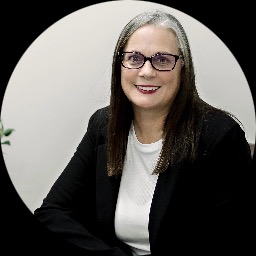
John Sabin, LISW
Ohio · 35 years in practice
John Sabin is a licensed independent social worker (LISW) with 35 years of clinical experience helping people cope with stress, anxiety, depression, grief, trauma, and relationship concerns.
License and registration
- LISW, Ohio
- I.0005514-SUPV · expires September 2027
- NPI
- 1952413379 · national provider identifier
- Years in practice
- 35
- Languages
- English
Details are as listed on the therapist's public professional profile. You can check the license with the issuing state board, and the NPI with the national registry.
About John
John Sabin is a licensed independent social worker (LISW) with 35 years of clinical experience helping people cope with stress, anxiety, depression, grief, trauma, and relationship concerns. He uses plain language and steady support to help people feel understood and to find workable steps forward. He focuses on practical tools and grounded conversation.
Sessions often include strategies from cognitive behavioral therapy to change unhelpful thinking and patterns. He also uses hypnotherapy techniques when appropriate to access calmer states and work with memories or strong emotions.
Background and approach
John combines emotion-focused approaches with skills training from dialectical behavior therapy to help people regulate intense feelings and improve how they relate to others. He pays attention to attachment and family of origin issues that shape how people connect and communicate. People bring a wide range of concerns, from chronic pain and illness to abandonment wounds, body image, and end-of-life matters.
He also addresses dissociation, control issues, coping after disasters, fatherhood concerns, and hospice or grief work. Sessions aim to be clear and goal-oriented while honoring each person’s pace. John practices in Ohio and speaks English.
He approaches therapy as a collaborative process, helping people set realistic goals and build practical skills they can use between sessions.
Focus areas and approaches
Everything John lists on their public professional profile, in their own terms.
- Stress, Anxiety
- Relationship issues
- Trauma and abuse
- Grief
- Depression
- Abandonment
- Aging and geriatric issues
- Attachment issues
- Body image
- Chronic pain, illness, and disability
- Communication problems
- Control issues
- Coping with natural or human-caused disaster
- Dissociation
- Emptiness
- Family of origin issues
- Family problems
- Fatherhood issues
- Forgiveness
- Hospice and end-of-life counseling
- Immigration issues
- Isolation / loneliness
- Life purpose
- Men's issues
- Mood disorders
- Panic disorder and panic attacks
- Phobias
- Post-traumatic stress
- Prejudice and discrimination
- Self-love
- Social anxiety and phobia
- Young adult issues
Approaches John names
- Hypnotherapy
- Client-Centered Therapy
- Cognitive Behavioral Therapy (CBT)
- Dialectical Behavior Therapy (DBT)
- Emotionally-Focused Therapy (EFT)
- Eye Movement Desensitization and Reprocessing (EMDR)
- Mindfulness Therapy
- Motivational Interviewing
- Solution-Focused Therapy
- Trauma-Focused Therapy
- Internal Family Systems
Naming an approach is not evidence of training in it. This directory copies what each therapist lists and does not check training records.
Online support
Therapeutic approaches and how they work online
Hypnotherapy is an approach that uses guided relaxation and focused attention to help people access different mental states; it can support work on strong emotions, memories, and habits by creating calmer moments for change. Client-centered therapy focuses on listening without judgment and helping people find their own direction through empathic, respectful conversation. Cognitive behavioral therapy, or CBT, looks at how thoughts, feelings, and behaviors connect and teaches practical steps to reduce anxiety, depression, and stress.Choosing the right approach is part of the work together. The therapist will talk with each person about their needs, goals, and comfort with different techniques. That conversation guides whether sessions emphasize relaxation and imagery, emotional processing, or skill-based practice so the plan fits the person’s life and preferences.
Online sessions are offered by video call, phone, live chat, or text-based messaging to fit varied schedules and needs. Video calls allow face-to-face conversation and exercises, phone sessions use less bandwidth and can be easier during a short break, live chat suits quick check-ins, and messaging supports ongoing contact between meetings. These options make it easier to keep therapy consistent while balancing work, caregiving, or mobility concerns.
We will earn a commission if you sign up through our link, at no cost to you. It does not change what you pay or the order of the listings.
Questions people ask
What kinds of concerns does this therapist address?
He supports people with stress, anxiety, depression, grief, trauma and relationship problems, plus areas like chronic pain, body image, abandonment, and end-of-life issues.
What is the general therapy style used in sessions?
Sessions are collaborative and down-to-earth, combining conversational work with practical skills and focused exercises to change thoughts and behaviors.
How much clinical experience does the therapist have?
The clinician has 35 years of experience as a clinical social worker and psychotherapist.
What credentials and location are listed?
He holds an LISW credential and practices in Ohio.
Which languages and international arrangements are supported?
Sessions are offered in English and international clients are not currently accepted.
In what formats are sessions offered?
Sessions can take place by video calls, phone sessions, live chat, or text-based messaging.
How does cost and billing work?
Cost varies with location and therapist availability and sessions use a subscription model that can be canceled at any time.
What are the steps to begin therapy?
Start by selecting the Start Therapy button, complete a short matching questionnaire, and then schedule sessions based on therapist availability.
More therapists in Ohio
See all
Lucinda Rhoads
LPCC
Calm, steady support for life’s hard moments
- Stress, Anxiety
- Trauma and abuse
- Self esteem

Dr. Kriss Wiant
OH Psychologist
Experienced Ohio psychologist helping steady progress
- Stress, Anxiety
- Grief
- Self esteem

Mindy Battles
LISW
Compassionate hypnotherapy and practical strategies
- Stress, Anxiety
- Grief
- Self esteem
Is this your profile?
Ask us to correct details or take the page down.
Contact us