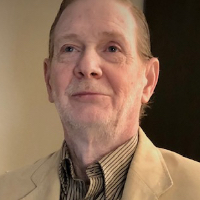
Patrick Shanahan, LCSW
Missouri · 44 years in practice
Patrick Shanahan is a licensed clinical social worker with 44 years of practice.
License and registration
- LCSW, Missouri
- 000602 · expires September 2027
- NPI
- 1255999231 · national provider identifier
- Years in practice
- 44
- Languages
- English
Details are as listed on the therapist's public professional profile. You can check the license with the issuing state board, and the NPI with the national registry.
About Patrick
Patrick Shanahan is a licensed clinical social worker with 44 years of practice. He focuses on helping people who feel stuck, guiding them toward clearer values and healthier choices. He uses practical conversations and gentle techniques to help clients move forward.
He believes people are generally self-correcting and that getting stuck is often temporary. His work draws on ideas from Carl Jung and Milton Erickson and includes hypnotherapy as one of the tools he uses.
Background and approach
Patrick places strong emphasis on personal values to shape meaningful direction and solutions. Early in his career he started and ran an outpatient clinic connected to a runaway and homeless youth shelter. For 18 years he provided case management, individual therapy, and family work both inside the shelter and in community settings.
He also trained and supervised paid staff and graduate students during that time. He later worked with a university on research to refine treatment models and completed 29 hours toward a Ph.D. in family therapy, including a fellowship offer from Washington University. He spent 18 years in managed care helping members use mental health benefits and providing phone therapy and crisis intervention.
Patrick blends several practical approaches in sessions, including cognitive behavioral strategies, acceptance and commitment ideas, attachment-focused thinking, client-centered listening, and structural and strategic systems concepts. He draws on decades of varied settings to tailor how he works to each person’s needs.
Focus areas and approaches
Everything Patrick lists on their public professional profile, in their own terms.
- Relationship issues
- Grief
- Anger management
- Self esteem
- Depression
- Stress, Anxiety
- Addictions
- Family conflicts
- Trauma and abuse
- Intimacy-related issues
- Parenting issues
- Career difficulties
- Coping with life changes
- Coaching
- Compassion fatigue
- Adoption and foster care
- Aging and geriatric issues
- Blended family issues
- Caregiver issues and stress
- Codependency
- Communication problems
- Coping with natural or human-caused disaster
- Divorce and separation
- Domestic violence
- Drug and alcohol addiction
- Family of origin issues
- Family problems
- Fatherhood issues
- First responder issues
- Forgiveness
- Guilt and shame
- Hospice and end-of-life counseling
- Infidelity
- Isolation / loneliness
- Jealousy
- Life purpose
- Men's issues
- Midlife crisis
- Veteran and Armed Forces Issues
- Money and financial issues
- Multicultural concerns
- Seasonal Affective Disorder (SAD)
- Self-love
- Workplace issues
- Young adult issues
Approaches Patrick names
- Hypnotherapy
- Acceptance and Commitment Therapy (ACT)
- Attachment-Based Therapy
- Client-Centered Therapy
- Cognitive Behavioral Therapy (CBT)
- Emotionally-Focused Therapy (EFT)
- Existential Therapy
- Jungian Therapy
- Mindfulness Therapy
- Narrative Therapy
- Psychodynamic Therapy
- Solution-Focused Therapy
- Internal Family Systems
Naming an approach is not evidence of training in it. This directory copies what each therapist lists and does not check training records.
Online support
How his approaches translate to online therapy
Patrick uses Acceptance and Commitment Therapy to help people clarify what matters most, accept difficult thoughts, and take small actions toward chosen values; this approach often helps with anxiety, depression, and life transitions. He also uses Cognitive Behavioral Therapy to identify unhelpful thinking and test new behaviors through practical exercises that can be done between sessions. Hypnotherapy is included as another tool to support relaxation, focus, and shifting patterns that feel stuck when appropriate for the client.Finding the right approach is part of the work together. He will collaborate with each person to choose techniques that fit their goals, needs, and comfort level. Sessions may combine methods and evolve over time as progress is made.
Online formats include video calls, phone sessions, live chat, and text-based messaging. Video allows face-to-face conversation and visual cues, phone calls can be a simpler option when bandwidth is limited, live chat is useful for shorter check-ins, and text messaging supports ongoing reflection between sessions. These options make it easier to fit therapy into a busy life and to access help from different locations.
We will earn a commission if you sign up through our link, at no cost to you. It does not change what you pay or the order of the listings.
Questions people ask
What kinds of concerns does he help with?
He works with relationship issues, grief, anger, low self-esteem, depression, stress, anxiety, addictions, family and trauma-related concerns, and related life changes.
What is his general therapy style?
Sessions are practical and conversational, focused on problem solving and helping people reconnect with their values. He uses a mix of approaches to match each person's needs.
How much experience does he have?
He brings 44 years of experience across outpatient clinics, shelter-based services, managed care, research collaboration, and supervision of staff and students.
What credentials and location are listed?
He holds an LCSW - Licensed Clinical Social Worker - and practices from Missouri.
Which languages and international clients are supported?
Sessions are offered in English, and he accepts international clients.
What session formats are available?
He works via video calls, phone sessions, live chat, and text-based messaging to fit different needs and schedules.
How is cost handled?
Costs vary with location and therapist arrangements; sessions use a subscription model that can be canceled at any time.
How do I begin working with him?
Select the Start Therapy button, complete a short matching questionnaire, and schedule according to the therapist's availability.
More therapists in Missouri
See allDr. Paula Alvarez
LCSW
Experienced LCSW blending practical therapy approaches
- Stress, Anxiety
- Trauma and abuse
- Anger
David Markowitz
LPC
Experienced counselor blending talk and hypnotherapy
- Stress, Anxiety
- Trauma and abuse
- Grief
Darcel Tyson
LPC
Empathetic counselor helping people make practical change
- Stress, Anxiety
- Relationship
- Family
Is this your profile?
Ask us to correct details or take the page down.
Contact us