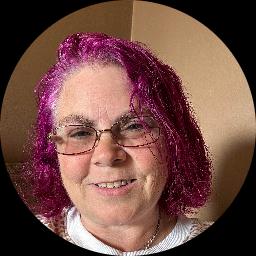
Cynthia Huffstetler, LCMHC
North Carolina · 9 years in practice
Cynthia Huffstetler is a Licensed Clinical Mental Health Counselor (LCMHC) in North Carolina with nine years of professional experience.
License and registration
- LCMHC, North Carolina
- 14815 · expires June 2027
- NPI
- 1043877582 · national provider identifier
- Years in practice
- 9
- Languages
- English
Details are as listed on the therapist's public professional profile. You can check the license with the issuing state board, and the NPI with the national registry.
About Cynthia
Cynthia Huffstetler is a Licensed Clinical Mental Health Counselor (LCMHC) in North Carolina with nine years of professional experience. She focuses on helping people who feel overwhelmed by stress, anxiety, low self-esteem, parenting challenges, and life transitions. Cynthia aims to create a respectful, compassionate space where people can take the first steps toward change.
She uses straightforward conversation and practical tools rather than jargon. Sessions are tailored to what each person needs, with clear goals and steps to try between meetings.
Background and approach
Cynthia works with common concerns such as depression, sleep problems, anger, bipolar symptoms, and ADHD-related struggles. Her approach blends client-centered care with methods that teach new skills. That can include cognitive behavioral techniques to change unhelpful thinking, dialectical behavior ideas for emotion regulation, mindfulness practices for grounding, and hypnotherapy when appropriate.
She explains options and helps people choose what feels useful. Cynthia also addresses relational and behavioral patterns like codependency, communication problems, attachment-related worries, and issues that follow divorce or separation. She offers a practical focus on coping strategies and improving day-to-day functioning.
In sessions she emphasizes collaboration and respect. People who want clear steps, supportive listening, and strategies they can try between sessions may find her style a good fit. Cynthia encourages questions and works at a pace that feels manageable for each person.
Focus areas and approaches
Everything Cynthia lists on their public professional profile, in their own terms.
- Stress, Anxiety
- Parenting issues
- Anger management
- Self esteem
- Depression
- Family conflicts
- Trauma and abuse
- Intimacy-related issues
- Sleeping disorders
- Bipolar disorder
- Coping with life changes
- ADHD
- Abandonment
- Antisocial personality
- Attachment issues
- Avoidant personality
- Codependency
- Commitment issues
- Communication problems
- Control issues
- Dependent personality
- Disruptive Mood Dysregulation Disorder (DMDD)
- Dissociation
- Divorce and separation
- Domestic violence
- Emptiness
- Family problems
- Forgiveness
- Guilt and shame
- Impulsivity
- Isolation / loneliness
- Jealousy
- Life purpose
- Midlife crisis
- Mood disorders
- Obsessions, compulsions, and OCD
- Panic disorder and panic attacks
- Personality disorders
- Phobias
- Postpartum depression
- Post-traumatic stress
- Seasonal Affective Disorder (SAD)
- Self-harm
- Self-love
- Smoking / vaping cessation
- Social anxiety and phobia
- Women's issues
- Young adult issues
Approaches Cynthia names
- Hypnotherapy
- Client-Centered Therapy
- Cognitive Behavioral Therapy (CBT)
- Dialectical Behavior Therapy (DBT)
- Mindfulness Therapy
- Motivational Interviewing
- Psychodynamic Therapy
- Solution-Focused Therapy
Naming an approach is not evidence of training in it. This directory copies what each therapist lists and does not check training records.
Online support
Approaches You Can Use Online
Client-centered therapy focuses on listening and understanding the person’s perspective. The therapist offers empathetic, nonjudgmental support and helps people set their own goals and direction. Cognitive Behavioral Therapy, or CBT, looks at the links between thoughts, feelings, and actions and teaches practical strategies to shift unhelpful thinking and behavior. This approach often helps with anxiety, depression, sleep problems, and stress.Finding the right approach is part of the work. Cynthia will discuss different options like CBT, client-centered methods, and hypnotherapy and will help decide what fits the client’s needs and preferences. That choice is collaborative and can change over time as goals evolve.
Online formats include video calls, phone sessions, live chat, and text-based messaging. Video is useful for a full conversational session and visual cues. Phone sessions can be a good option when bandwidth is limited or a quicker check-in is needed. Live chat and text work well for brief updates, step-by-step coaching, or when someone prefers writing to speaking. These options make it easier to fit therapy into a busy life and keep continuity when schedules change.
We will earn a commission if you sign up through our link, at no cost to you. It does not change what you pay or the order of the listings.
Questions people ask
What kinds of concerns does this therapist address?
She helps people with stress, anxiety, depression, sleep problems, anger, bipolar symptoms, and ADHD-related difficulties, plus parenting and family-related struggles.
How would you describe her therapeutic style?
Her style is collaborative and practical, using clear conversation and skill-building rather than clinical jargon.
What is her professional background?
She holds a Licensed Clinical Mental Health Counselor credential and has nine years of professional experience working with a range of concerns.
Where is she licensed to practice?
She is licensed in North Carolina as an LCMHC and provides services connected to that location.
Which languages are supported and are international clients accepted?
Sessions are offered in English and international clients are not currently accepted.
What session formats are available?
She offers video calls, phone sessions, live chat, and text-based messaging for flexibility in how people connect.
How does pricing work for sessions?
Cost varies with location and therapist availability; sessions use a subscription that can be canceled at any time.
What are the first steps to begin working together?
Start by selecting the Start Therapy button, complete a short matching questionnaire, and schedule sessions according to therapist availability.
More therapists in North Carolina
See all

K. Elizabeth Garzarelli
LPC, LCMHC
Experienced counselor for life transitions
- Stress, Anxiety
- Self esteem
- Career

Carla Moore-McNeil
LCSW
Experienced LCSW focusing on practical change
- Stress, Anxiety
- Grief
- Self esteem
Is this your profile?
Ask us to correct details or take the page down.
Contact us