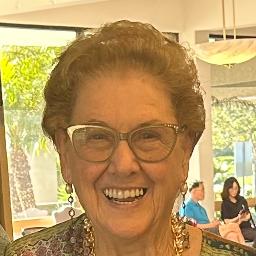
Gloria Cullinane, LMFT
California · 40 years in practice
Gloria Cullinane is a Licensed Marriage and Family Therapist with four decades of experience helping people through hard times.
License and registration
- LMFT, California
- 21306 · expires March 2027
- NPI
- 1740400787 · national provider identifier
- Years in practice
- 40
- Languages
- English
Details are as listed on the therapist's public professional profile. You can check the license with the issuing state board, and the NPI with the national registry.
About Gloria
Gloria Cullinane is a Licensed Marriage and Family Therapist with four decades of experience helping people through hard times. She works with individuals who are facing anxiety, depression, grief, trauma, and major life transitions. Her style is calm and direct, aimed at practical change rather than jargon.
She uses hypnotherapy alongside talk-based approaches to help people access coping resources and reduce stress. Gloria also draws on attachment-based and client-centered methods to improve emotional connection and self-understanding.
Background and approach
She adapts methods to each person's situation and goals. Sessions often focus on building everyday skills - breathing and grounding, clearer communication, problem-solving, and managing difficult moods. Gloria helps people make choices about careers, relationship shifts, and midlife concerns.
She also addresses worries about money, body image, isolation, and caregiver stress. Her background includes long-term clinical practice in California and work with a wide range of adult concerns. Gloria describes her work as collaborative; she listens, offers feedback, and practices alongside each person as they try new ways of coping.
She respects people’s beliefs and incorporates faith perspectives when clients want that included. People who meet with her can expect straightforward sessions and follow-up steps to try between meetings. Therapy uses language anyone can follow and focuses on small, practical changes that build over time.
Focus areas and approaches
Everything Gloria lists on their public professional profile, in their own terms.
- Stress, Anxiety
- Trauma and abuse
- Grief
- Career difficulties
- Depression
- Abandonment
- Attachment issues
- Body image
- Caregiver issues and stress
- Communication problems
- Control issues
- Divorce and separation
- Forgiveness
- Guilt and shame
- Impulsivity
- Isolation / loneliness
- Life purpose
- Midlife crisis
- Money and financial issues
- Mood disorders
- Narcissism
- Panic disorder and panic attacks
- Post-traumatic stress
- Pregnancy and childbirth
- Self-love
- Sexuality
- Social anxiety and phobia
- Women's issues
- Workplace issues
Approaches Gloria names
- Hypnotherapy
- Attachment-Based Therapy
- Client-Centered Therapy
- Cognitive Behavioral Therapy (CBT)
- Dialectical Behavior Therapy (DBT)
- Emotionally-Focused Therapy (EFT)
- Internal Family Systems
Naming an approach is not evidence of training in it. This directory copies what each therapist lists and does not check training records.
Online support
How approaches like hypnotherapy and CBT work online
Hypnotherapy is used to guide attention and reduce physical tension, often paired with spoken suggestions to support calmer responses to stress and anxiety. It can help people practice new ways of responding to triggers and improve sleep or focus when used alongside talk therapy.Cognitive Behavioral Therapy, or CBT, focuses on identifying unhelpful thoughts and behaviors and replacing them with practical alternatives. It is useful for anxiety, depression, and mood concerns because it breaks problems into manageable steps and skills to practice between sessions.
Finding the right fit is part of the work. The therapist will talk with each person about goals and preferences and then suggest approaches to try. This is a collaborative process that may mix hypnotherapy, attachment-based ideas, or CBT depending on what the client needs and how they respond.
Online sessions are offered by video calls, phone, live chat, or text-based messaging to make therapy flexible. Video allows face-to-face interaction for demonstrations and guided exercises. Phone sessions are useful when bandwidth is limited or when a shorter check-in is needed. Live chat and text messaging suit brief updates, skill reminders, or ongoing support between longer sessions.
We will earn a commission if you sign up through our link, at no cost to you. It does not change what you pay or the order of the listings.
Questions people ask
What kinds of problems does she help with?
She helps people with stress, anxiety, depression, trauma and grief, plus life transitions like career changes and midlife concerns.
What is her therapy style like?
Her style is collaborative and practical, combining hypnotherapy with talk-based methods to develop skills and reduce symptoms over time.
How many years has she been practicing?
She brings 40 years of clinical experience working with adults on a wide range of emotional and life issues.
What credential does she hold and where is she based?
She is a Licensed Marriage and Family Therapist, CA LMFT, practicing in California.
Which languages are offered for sessions?
Sessions are offered in English.
Can people outside the United States work with her?
International clients are not currently accepted; her practice operates within California.
What session formats are available?
She meets by video calls, phone sessions, live chat, or text-based messaging depending on what suits the client.
How do fees and subscriptions work?
Cost varies with location and therapist availability; sessions are billed through a subscription that can be canceled at any time.
More therapists in California
See allStacey Sugar
MD, LCPC, LPCC
Compassionate hypnotherapy paired with practical talk therapy
- Stress, Anxiety
- Relationship
- Family

Dr. Velvalee Reid
LMFT
Seasoned therapist offering practical support and calm guidance
- Stress, Anxiety
- Relationship
- Family


Estela Rodriguez Jebril
LCSW
Transformational, bilingual therapist and coach
- Stress, Anxiety
- Relationship
- Family

Is this your profile?
Ask us to correct details or take the page down.
Contact us