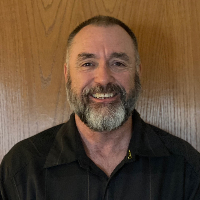
Stacey Sugar
MD, LCPC, LPCC
Compassionate hypnotherapy paired with practical talk therapy
- Stress, Anxiety
- Relationship
- Family

14 years in practice
Clinical social work directory
34 therapists in this directory hold a licence issued in California and name hypnotherapy among their approaches. Sessions are online; a US therapist can usually only see people in a state where they hold a licence, so check the credentials panel on each profile.
Welcome to our directory of online therapists serving California. All therapists listed here are licensed; explore profiles to find practitioners whose approaches, specialties, languages and experience match your needs.
MD, LCPC, LPCC
Compassionate hypnotherapy paired with practical talk therapy
LMFT
Experienced therapist blending hypnotherapy and talk therapy
LMFT
Seasoned therapist offering practical support and calm guidance
LCSW
Transformational, bilingual therapist and coach
LCSW
Calm, practical support for stress and confidence
CA Psychologist
Experienced psychologist focused on intimacy and relationships
LMFT
Calm guidance to reduce stress and rebuild confidence
LMFT
Gentle, experienced therapist focused on healing
LMFT
Direct therapist focused on trauma and recovery
LMFT
Experienced therapist focused on practical change
LMFT
Compassionate practical therapy for real-life challenges
LMFT
Experienced LMFT using hypnotherapy and practical therapies
LMFT
Experienced therapist using practical tools
LMFT
Compassionate hypnotherapy-informed therapist
LMFT
Gentle practical care for stress and relationships
LMFT
Compassionate practical support for tough moments
LMFT
Calm, practical therapy with thoughtful tools
LMFT
Calm, practical therapy with focused techniques
LCSW
Experienced LCSW blending hypnotherapy and relational work
LPCC, LMHC
Collaborative hypnotherapy and talk therapy
LMFT
Calm, experienced therapist focused on relationships
CA Psychologist
Experienced California psychologist focused on practical change
LMFT
Practical therapy that values measurable change
CA Psychologist
Experienced psychologist using hypnotherapy and CBT
LMFT
Compassionate therapy for relationship and trauma concerns
CA Psychologist
Calm-focused psychologist blending hypnotherapy and mindfulness
Some links on this page are partner links. We will earn a commission if you sign up through one, at no cost to you. It does not change what you pay or the order of the listings.
Online therapy has become a widely used way to access mental health support in California, offering a way to work with a licensed professional without traveling to an office. In recent years regulations and professional guidance in the state have clarified how telehealth can be provided, which has led many clinicians to include virtual sessions as part of their practice. Because California is geographically large and culturally diverse, online services make it easier for people in rural areas, small towns and dense urban centers to connect with a broader range of clinicians than might be available nearby. When you search listings, you will see therapists who note remote session options and the modalities they use. Those profiles typically highlight languages spoken, issues commonly addressed and the approaches therapists draw from, which helps you identify who may align with your needs.
While online therapy can bridge geographical barriers, it also comes with practical considerations. Licensing in California means a clinician meets the requirements to practice within the state, but the exact rules for cross-state care and telehealth can vary. You will want to confirm licensing details and make sure the clinician’s stated scope of practice aligns with the support you are seeking. Reading profile descriptions carefully gives you a sense of each therapist’s focus and the populations they work with, so you can decide who to learn more about.
Online therapy expands your options when scheduling, commuting and finding a therapist who shares your background or speaks your language. For many people in California, not having to travel across freeways or long distances reduces stress and saves time. You can meet with clinicians who list specific approaches or who work with particular communities without being limited to your ZIP code. That flexibility is especially helpful if you have a demanding work schedule, caregiving responsibilities or health concerns that make in-person visits difficult.
Another practical benefit is access to a wider range of specialties and therapeutic styles. If you want a therapist who lists EMDR among their approaches, or someone who emphasizes mindfulness-based strategies, online care increases the pool of clinicians you can consider. You are also able to match on preferences such as language, cultural understanding or experience with certain life stages. Many people find that the comfort of joining a session from your own environment helps you engage more openly. To get the most out of online sessions, plan for a quiet room, reliable internet and a device that supports video so you can focus on the conversation.
Online therapists commonly support people dealing with anxiety, depression, grief, relationship stress, work-related burnout and adjustments to life transitions. You will find clinicians who state experience with trauma-related concerns, obsessive thinking, mood regulation and parenting challenges. The range of approaches listed in profiles often includes cognitive-behavioral strategies, psychodynamic perspectives, somatic-informed work and integrative methods. When you read profiles, pay attention to language that matches the issues you want to address and to descriptions of how a therapist frames their work.
Some therapists highlight specialties such as couples work, family dynamics, or support for identity-related issues. Others may describe offering guidance on stress management, sleep difficulties or coping with chronic illness. Because clinicians describe their focus areas differently, it helps to search for wording that resonates with you. You can expect to find options for short-term, goal-focused work as well as ongoing support for deeper personal growth. Therapists who list trauma-focused approaches among their methods may be appropriate if you are working through past events, while those who emphasize interpersonal or developmental perspectives may be a fit when relational patterns are the main concern.
Verifying a license is an important step in choosing a therapist. In California, several boards oversee different professional titles. You can start by locating the license number or professional title on a therapist’s profile and then visiting the appropriate state licensing board website. For licensed clinical social workers, marriage and family therapists and professional clinical counselors the California Board of Behavioral Sciences maintains an online license lookup. For psychologists, the California Board of Psychology provides a similar search function. Using the board search you can confirm that a license is active, see the license type, review its expiration date and learn whether any disciplinary actions are recorded.
If the information on a profile is unclear, you can call the board directly for guidance on interpreting a record. You should also check that the professional title a clinician uses matches the license type listed on the board’s site. Keep in mind that profiles list approaches and special interests as reported by the clinician; boards do not track which therapeutic methods a clinician uses. Verifying the license confirms legal standing to practice in California and helps you make an informed choice about whom you contact.
When you are ready to reach out, start by narrowing profiles to those whose approaches, languages and focus areas align with what you are seeking. Read biographies for details about how therapists describe their work and the populations they mention. You can think about what outcomes you hope to achieve and what style of communication feels most comfortable for you. Some clinicians include information about their session format, fees and whether they work with specific insurance plans. Use these details to form a short set of questions to ask when you make an initial contact.
When you first communicate with a prospective therapist, you might inquire about how they generally structure sessions, what kinds of goals they focus on and what a typical week of sessions looks like for someone with concerns like yours. It is appropriate to ask about languages spoken, cultural competence, experience with particular life stages or communities and the approaches they most often draw from. You can also discuss practical matters such as session length, technology needs, fees and how they handle cancellations and emergencies. These conversations help you assess whether the clinician’s style and logistics fit your preferences.
Trust your instincts about fit. You will often get a sense of whether a therapist’s way of describing their work resonates with you and whether you feel heard when you make initial contact. If a clinician’s approach does not feel like the right match, that is a normal part of the process and does not reflect negatively on you. Take your time exploring profiles and asking questions until you find a professional whose perspective and communication style support your goals. With thoughtful review and clear questions, you can find an online therapist in California who meets your needs and helps you move forward.