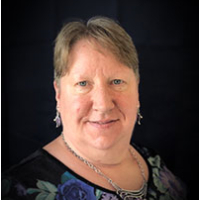
Alan Cochrane
LCMHC
Compassionate guide for lasting personal change
- Stress, Anxiety
- Addictions
- Relationship

35 years in practice
Clinical social work directory
4 therapists in this directory hold a licence issued in Utah and name hypnotherapy among their approaches. Sessions are online; a US therapist can usually only see people in a state where they hold a licence, so check the credentials panel on each profile.
Welcome to Find Hypnotherapists' directory of online therapists serving Utah. All therapists listed here are licensed; explore the profiles below to compare approaches, credentials, and languages.
LCMHC
Compassionate guide for lasting personal change
LCMHC
Collaborative therapist blending talk therapy and practical tools
LCMHC
Calm, practical support for life’s hard moments
Some links on this page are partner links. We will earn a commission if you sign up through one, at no cost to you. It does not change what you pay or the order of the listings.
Over the past decade online therapy has become a common option for people across Utah, from urban centers to mountain towns. Many licensed therapists who serve Utah clients now offer remote sessions by video, phone, or messaging, which can make it easier to work with a clinician whose approach and experience match what you want. While in-person care remains available in many communities, online sessions expand the set of practitioners you can consider without requiring long travel.
When you look through listings you will see that therapists describe a range of approaches, credentials, and languages. Some therapists list hypnotherapy among their approaches, others list cognitive behavioral approaches, trauma-oriented work, or family and couples counseling. Profiles typically note whether a therapist primarily works with adults, adolescents, couples, or specific life stages. Because licensure and practice rules are governed at the state level, many profiles will also indicate the therapist's license type and the populations they serve. If you are curious about how a particular format works - for example video sessions versus phone - profiles and introductory information often explain the basic session flow and technical requirements.
One of the clearest benefits of online therapy is improved access. If you live in a rural valley, a mountain town, or simply far from a specialty practice, remote sessions let you connect without long drives. For people with tight work schedules, caregiving responsibilities, or mobility challenges, online sessions reduce the time and logistical cost of attending therapy. That can make it easier to sustain regular appointments and keep momentum in your work.
Many people find that online therapy offers a comfortable setting for personal work because you can participate from a familiar location. You also gain continuity when life requires travel or when weather and road conditions make in-person visits difficult. If continuity of care matters to you, consider how a therapist sets expectations for missed sessions, rescheduling, and ongoing communication. That information is often listed in a profile or explained during an initial outreach.
Online therapists in Utah often work with people facing a broad array of concerns. Common topics include anxiety and stress management, depressive symptoms, relationship conflicts, and life transitions such as moving, career changes, or family shifts. Therapists who list couples counseling among their approaches may focus on communication patterns and shared goals, while those who list family work may address interactions across generations and parenting challenges.
Many practitioners describe experience supporting people who have experienced trauma, are coping with grief, or are working to change entrenched habits. Some therapists list EMDR among their approaches, others list mindfulness-based methods or hypnotherapy among their approaches. You will also find clinicians who focus on performance-related concerns such as stage nerves, sports performance, or career pressure, and those who emphasize sleep, chronic stress, or pain management as part of their practice.
Verifying a therapist's license gives you information about their official standing and the scope of practice associated with their credential. In Utah you can check a clinician's license through the state's licensing portal by searching the practitioner's name or license number. The license lookup typically indicates the license type, issue and expiration dates, and whether any disciplinary actions are on record. If you are unsure how to interpret a listing, the licensing office can usually provide guidance by phone or email about what the license type permits in terms of practice and telehealth.
When you review a license record pay attention to the license classification, the status listed as active or otherwise, and any public disciplinary information. A license record does not replace reading a therapist's full professional profile, but it is a crucial step in confirming that someone holds an active credential recognized by the state. You may also notice license expiration dates and renewal history, which can help you understand how long a clinician has been practicing under that credential.
Getting started is often the hardest part. Begin by identifying what matters most to you - whether it is an approach, the therapist's experience with a particular issue, language preferences, or session format. Read bios carefully to see which clinicians describe working with issues similar to yours and which list approaches that appeal to you. When you reach out for initial information, a brief message describing what you're hoping to work on and asking about the therapist's typical approach can help determine whether there is a good fit.
Choosing a therapist is a personal decision and it helps to think about practical details as well as relational fit. Consider whether you prefer a therapist who describes a more directive style or a more exploratory, reflective approach. Look at credentials listed in profiles to understand educational background and license type, and note languages offered if communication in your first language matters. Also consider logistical factors such as session length, fees, and whether a therapist lists experience working with specific populations that match your needs. Many people find it useful to plan for an initial session as a test of fit - you can pay attention to how the therapist explains their method, how comfortable you feel communicating online, and whether their style feels aligned with your goals.
Before you start regular sessions think about a few practical questions to ask during initial contact. You might ask how the therapist typically structures sessions, what kinds of outcomes they focus on, how they handle follow-up between sessions, and how they address technical challenges. If insurance or payment plans are important to you ask whether a therapist lists accepted insurers or payment arrangements in their profile. It's also reasonable to ask about their experience with cultural or identity issues that may be relevant to your situation. Clear, respectful conversation up front helps set expectations and supports a productive working relationship.
As you explore listings for online therapists in Utah, use the combination of profile information, licensure checks, and initial conversations to form a rounded view of each clinician. No single piece of information tells the whole story; reading several profiles, noting approaches and emphasis areas, and having a short introductory exchange can provide the context you need to decide whether to pursue sessions. Give yourself permission to try a few different conversations if the first match is not the right fit.
Your needs may change over time, and the relationship you build with a therapist can evolve as you make progress or encounter new challenges. Keep assessing how well a therapist's approach aligns with your goals and whether the online format supports your work. With careful selection and clear communication you can find a rhythm that suits your life in Utah and supports the changes you want to make.