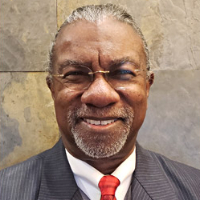
Chris Sergeant
BACP
Practical counselling with hypnotherapy options
- Relationship
- Stress, Anxiety
- Family

13 years in practice
Clinical social work directory
505 therapists list relationship among the things they work with. All offer sessions online, and every profile shows the registering body, the membership number and when it runs to.
Discover therapists who list relationship work among their specialties on Find Hypnotherapists. Browse the listings below to compare approaches, focus areas, languages and credentials to find therapists who may match what you need.
BACP
Practical counselling with hypnotherapy options
BACP
Compassionate hypnotherapy and talking therapy support
NCPS
Hypnotherapy-informed counsellor focused on practical change
BACP
Compassionate counsellor for lasting change
LCSW-C, LCSW
Experienced LCSW helping practical change
LMHC
Practical guidance with calming, steady support
HCPC, BACP
Calm, practical support for life’s harder moments
NCPS
Restoring clarity and stronger personal boundaries
HCPC
Gentle practical therapy with hypnotherapy options
NCPS
Compassionate support for life’s hardest moments
BACP, NCPS
Calm, trauma-informed hypnotherapy and counselling
BACP
Compassionate counsellor using hypnotherapy and CBT
NCPS
Practical, strength-based support with hypnotherapy
BACP
Hypnotherapy-informed counsellor with extensive experience
LMHC
Compassionate practical therapy focused on change
LCSW
Warm clinical social worker with 35 years experience
LPC
Compassionate therapist who blends hypnotherapy and evidence-based care
LPCC, LPC
Collaborative counselor blending practical therapies
BACP
Expert counsellor using mindfulness and hypnotherapy
NCPS
Practical, approachable counselling with hypnotherapy
NCPS
Flexible hypnotherapy-informed psychotherapeutic counselling
NCPS
Calm, values-driven counselling and hypnotherapy
NCPS
Experienced integrative counsellor for adults
BACP
Calm practical counselling with hypnotherapy
NCPS
Compassionate counsellor using hypnotherapy and listening skills
NCPS
Hypnotherapy and conversational counselling for change
NCPS
Therapist offering hypnotherapy and talking therapies
BACP
Gentle, experienced counsellor for life changes
NCPS
Calm, practical support for stress and relationships
NCPS
Calm listening with practical tools
LMFT, LCMFT
Compassionate, direct therapy for relationship patterns
NCPS
Calm, practical therapy for everyday overwhelm
BACP
Calm, practical support for stress and life change
ACA
Practical, respectful counselling with hypnotherapy options
BACP
Supportive counsellor using hypnotherapy and mindfulness
BACP
Compassionate therapist helping people change patterns
LCSW
LCSW offering practical, person-focused care
BACP
Gentle, person-centred support with hypnotherapy
BACP
Helping people find calm and practical change
NCPS
Experienced counsellor focused on practical change
Some links on this page are partner links. We will earn a commission if you sign up through one, at no cost to you. It does not change what you pay or the order of the listings.
Relationships are central to most people's lives, shaping emotional well-being, daily routines and long-term plans. When the patterns between you and a partner, family member or close friend begin to cause repeated stress, it can affect sleep, work, parenting and your sense of safety in everyday life. You may find yourself reacting in ways that surprise you, avoiding conversations you once had easily or feeling distant from someone you love. Relationship concerns do not always arise from a single event. Often they build gradually as communication erodes, expectations go unspoken or unresolved conflicts accumulate. Life transitions such as becoming parents, changing careers, moving, or dealing with health issues can intensify existing tensions and highlight differences that were easier to manage before.
Relationship-focused therapy looks at the patterns that keep conflict alive and explores how each person's history, habits and needs interact. You might seek help to restore connection after a breach of trust, to navigate differences in values or to learn healthier ways to argue and repair after fights. Therapy can also support people who want to strengthen intimacy, clarify boundaries, or improve co-parenting. Whatever the concern, the aim is to help you and the people close to you move toward clearer communication and more workable ways of relating.
It can be difficult to know when to reach out for support. You might consider therapy if you notice persistent patterns such as frequent criticism, stonewalling or cycles of escalation where small disagreements turn into large conflicts. Repetitive unresolved issues that make you feel stuck are a common reason people look for help. Other signals include a loss of emotional closeness, chronic resentment, decreased sexual or emotional intimacy, or ongoing trust concerns after betrayals. Sometimes a relationship problem shows up as anxiety, low mood or a sense of being overwhelmed even when the immediate issue seems to be with someone else.
If arguments lead to threats of separation or frequent ultimatums, or if one or both people feel unheard and misunderstood, therapy can offer ways to change how you interact. You might also seek help when making major decisions together - such as moving, changing jobs or blending families - and you want a structured space to weigh options and manage differences. Therapy is not only for crisis points; many people come simply because they want to improve communication, learn new skills, or deepen their emotional connection before problems become entrenched.
When you begin relationship-focused therapy, a therapist typically starts by learning about the issues that brought you there and what each person hopes to achieve. Early sessions often involve mapping interaction patterns - noting who tends to react in certain ways, what triggers escalation and how repair attempts are made or missed. The therapist may ask about relationship history, family backgrounds, and individual factors that influence how you relate, always tailoring questions to your situation. Some therapists work primarily with both partners together, while others offer a mix of joint and individual sessions depending on needs and goals.
Sessions usually involve a combination of reflection and practice. You can expect to talk about recent interactions and to try new communication techniques in session with guidance. The therapist may coach you through difficult conversations, help you set ground rules for arguing more constructively, and encourage small experiments to test new ways of relating between sessions. Over time you and the therapist will set goals that are realistic and specific, whether that means reducing the frequency of certain fights, rebuilding trust after a breach, or improving responsiveness and intimacy. Progress often comes from repeated practice of skills and from gaining insight into long-standing patterns rather than from a single strategy.
If you come alone because you want to change your own responses or to prepare for a conversation, therapy will focus on your contributions to the relationship and on strategies you can use on your own. If both partners attend, the therapist helps mediate and model healthier interaction, balancing attention to each person's perspective. Some therapists who list approaches that work with couples are more directive and skill-based, while others take a deeper relational or emotion-focused stance. You can expect a collaborative approach where the therapist helps create a plan that fits your goals.
Relationship therapists draw on a range of approaches and often combine elements that fit the situation. Some therapists on the directory list Emotionally Focused Therapy among their approaches, which centers on identifying attachment needs and creating more responsive emotional bonds. Others list the Gottman method among their approaches, focusing on specific communication skills, conflict management and building rituals of connection. You will also find therapists who list cognitive-behavioral approaches that target thought and behavior patterns that contribute to relationship distress, narrative-oriented work that explores stories you tell about the relationship, and psychodynamic perspectives that examine how past experiences shape current interaction.
Because this directory records therapists' self-described approaches, you will see a range of styles. Some therapists list solution-focused methods aimed at short-term change, while others list longer-term relational or developmental orientations that explore deeper patterns. You may also encounter therapists who list hypnotherapy among their approaches and who incorporate relaxation or imagery techniques to address anxiety, trauma responses or somatic reactions in relationships. The variety allows you to consider what kind of process feels most aligned with your needs - whether you want skill-building and practical tools, deeper emotional repair, or a combination of both.
Online therapy has become a common option for relationship work because it can reduce logistical barriers and make it easier for partners in different locations to meet together. Video sessions typically mirror in-person sessions in structure - you will have time to talk, to practice communication with the therapist's coaching, and to receive feedback. Many therapists adapt exercises for the screen, guiding you through role-plays and teaching breathing or grounding techniques you can use when emotions run high. Online sessions can also allow for flexible formats, such as a mix of shorter check-ins and longer sessions to address complex issues.
To make the most of online sessions, plan a comfortable, distraction-free environment where you can both speak openly and listen without interruption. Good technology - a stable internet connection and a device with a decent camera and microphone - helps the session flow. Therapists vary in how they structure online work; some may suggest specific between-session practices or provide written summaries of skills to reinforce learning. If you have concerns about having difficult conversations at home, you can discuss how to create safe boundaries for sessions and set agreements about what to do if an intense emotion arises during a video call.
Choosing a therapist is a personal process that combines practical factors and interpersonal fit. Start by looking at profiles to compare the areas of relationship work a therapist lists - such as couples counseling, communication skills, intimacy issues or co-parenting - and note the therapeutic approaches they mention. Because profiles record self-described approaches, pay attention to how the therapist explains their focus, whether they emphasize skills, emotion work, or a reflective exploration of patterns. Languages spoken, cultural background and any populations they highlight can also inform whether a therapist might resonate with your lived experience.
Consider how you prefer to work. If you want clear tools to manage conflict, you might lean toward therapists who list skill-based methods. If your priority is repairing attachment or exploring deep emotional patterns, look for therapists who list relational or emotion-focused approaches. Read profile bios for a sense of communication style - whether it feels direct, warm, pragmatic or exploratory. Practical factors such as session length, typical format (joint versus individual sessions), fee ranges and whether they work online or in person will also influence your decision. Finally, trust your instincts about fit - a therapist whose description aligns with your priorities and whose tone you find approachable is more likely to create the conditions for meaningful change.
Relationship therapy can help you learn new ways to connect, manage conflict and build a partnership that feels more resilient. By knowing what to look for in approaches and what to expect from sessions, you can choose a therapist whose methods and presence support the goals you and your partner or loved one want to achieve.