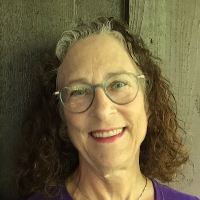
Crystal Featherstone
LPC
Compassionate counselor focused on meaningful change
- Stress, Anxiety
- Trauma and abuse
- Anger

5 years in practice
Clinical social work directory
35 therapists in this directory hold a licence issued in Texas and name hypnotherapy among their approaches. Sessions are online; a US therapist can usually only see people in a state where they hold a licence, so check the credentials panel on each profile.
If you are looking for online therapy in Texas, this directory lists licensed therapists who offer video and phone sessions. Browse profiles to review approaches, credentials, languages, and experience as you explore options.
LPC
Compassionate counselor focused on meaningful change
LPC, LPCC
Calm practical therapy for life’s hard moments
LPC
Practical, person-centered counseling with hypnotherapy
LPC
Calm, practical therapy for real-life problems
LCSW
Warm, practical therapy with hypnotherapy options
LCSW
Calm, practical care for trauma and mood challenges
LMFT
Experienced therapist focused on practical change
LPC, LCMHC
Experienced counselor focused on practical change
LPC
Helping people build steady, practical change
LPC
Practical, collaborative care for lasting change
LPC
Experienced counselor using hypnotherapy and talk therapy
LPC
Compassionate counselor using practical tools
LMFT
Practical therapy grounded in mind-body approaches
LPC
Practical counseling with hypnosis and ACT
LCSW
Practical, person-focused therapy with hypnotherapy elements
LPCC, LMFT
Compassionate, goal-focused therapeutic support
LMFT
Experienced therapist blending hypnosis and talk therapy
LPC
Calm guidance for stress and relationship struggles
LMFT, LCSW
Experienced clinician combining practical therapy approaches
LPC
Compassionate counselor helping people move forward
LMFT
Experienced therapist focused on practical change
LPC
Experienced counselor blending therapy and coaching
LPC
Calm, practical counseling with hypnotherapy options
LPC
Calm, practical support for life’s hard moments
LPC
Experienced counselor focused on practical support
LPC, LMFT
Trusted therapist blending practical tools and relational insight
LMFT
Experienced therapist blending hypnotherapy and talk therapy
LCSW
Practical, steady therapy for lasting change
Some links on this page are partner links. We will earn a commission if you sign up through one, at no cost to you. It does not change what you pay or the order of the listings.
Online therapy has become a common way to connect with mental health professionals across Texas. Many therapists now offer sessions by video and phone so you can meet from your home, office, or another convenient location. State rules require that clinicians providing ongoing care to people in Texas hold a Texas license for the profession they practice, so the listings here focus on therapists who are licensed to serve Texas residents. Telehealth options are available in large cities as well as rural regions, and the formats you encounter can vary by clinician - some emphasize video sessions while others list phone counseling or flexible mixed formats.
As you look through profiles you will find a range of credentials and focus areas. Some profiles highlight experience with specific age groups, cultural backgrounds, or life stages. Others emphasize approaches they use or list modalities such as cognitive behavioral work, psychodynamic perspectives, family-focused methods, hypnotherapy, or trauma-informed care. Because profile language differs, reading several therapist descriptions will help you understand how each clinician frames their work for people in Texas.
Online therapy can reduce geographic and logistical barriers that might otherwise keep you from connecting with a therapist. If you live in a rural community, travel time to an in-person appointment may be long; online sessions make it possible to see a therapist without leaving your area. In urban settings, online therapy can help you fit sessions around work, childcare, or schooling. The flexibility of video and phone formats often makes it easier to maintain regular appointments when life gets busy or circumstances change.
For many Texans, online therapy also broadens the pool of clinicians you can choose from. You can find therapists who speak your language, who describe an understanding of your cultural background, or who list experience with particular issues you want to address. Additionally, some therapists describe their typical session structure and use of tools or homework, which can help you decide whether their style matches what you are seeking. While online therapy is not appropriate for every situation, it is an accessible option for many people and can be part of a longer-term plan for emotional and psychological support.
Online therapists in Texas frequently work with a wide range of concerns. You will find clinicians who list depression, anxiety, stress management, relationship struggles, grief, life transitions, and work-related challenges among their focus areas. Many also highlight experience with trauma-related concerns and post-traumatic stress; when reading profiles, note that clinicians may indicate trauma-informed approaches or list trauma-related modalities without asserting specific training credentials. If you are exploring modalities, you may encounter therapists who list cognitive behavioral approaches, mindfulness-informed work, psychodynamic perspectives, hypnotherapy, family or couples approaches, or therapists who list EMDR among their approaches. Profiles are a place to learn how a therapist describes their orientation and the kinds of issues they commonly support.
Because online formats change how interventions are delivered, some clinicians use specific techniques adapted for video or phone sessions. You may find practitioners who describe typical session length, the kinds of homework or between-session tools they suggest, and how they approach crises or urgent concerns. If you have a particular issue you want help with, search profiles for clinicians who describe relevant experience and language that resonates with you. That will make it easier to find someone whose approach aligns with the support you want.
Verifying a therapist's license is an important step when you choose an online clinician. In Texas, most mental health licenses are overseen by state regulatory bodies, and many offer online license lookup tools where you can check a clinician's licensure status, license type, expiration date, and whether there are any public disciplinary actions. To use these resources, gather the therapist's full name as it appears on their profile or their license number if it is listed. Enter that information in the state's license search tool and review the record carefully.
If a profile does not include a license number or full legal name, you can ask the clinician directly for that information before scheduling a first session. When you review a license listing, look for the specific profession listed - for example licensed professional counselor, licensed clinical social worker, marriage and family therapist, or licensed psychologist. Each profession has its own credentials and scope of practice. Checking the state record can help you confirm that a therapist is licensed to practice in Texas and reveal details such as the license status and any restrictions that may apply. If you are unsure which board to consult, the Texas Behavioral Health Executive Council oversees licensing for several mental health professions and can be a starting point for locating the appropriate license lookup tool.
Beginning online therapy usually starts with reading therapist profiles to find clinicians whose language, approaches, and focus areas align with what you want. Look for descriptions that mention the populations the therapist works with, such as adolescents, adults, parents, or couples, and note any languages they list. Pay attention to how they describe session structure, fees, and whether they accept insurance or offer a self-pay rate. Because profiles vary, you may want to prepare a short message to introduce yourself and ask a few practical questions - for example, which platforms they use for sessions, how they handle electronic paperwork, what their cancellation policy is, and how they describe responding to urgent concerns between sessions.
When choosing a therapist you should consider fit as much as credentials. Think about whether you prefer a clinician who describes a directive style or one who emphasizes collaborative exploration. If cultural background, shared identity, or language is important to you, look for therapists who mention those aspects on their profiles. Also take into account practical factors like session length and whether the therapist lists offering video, phone, or a mix of formats. If you use insurance, check whether a therapist indicates they work with your plan or whether they provide documentation you can submit for reimbursement. Finally, trust your instincts about the tone of a therapist's profile and communications - you want to work with someone whose approach feels respectful and relatable to your concerns.
When you reach out, a short introductory message that states your goals and asks a few practical questions can help you determine whether to move forward. Ask the therapist how they typically structure a first session and whether they will provide intake forms ahead of time. Before your first appointment, choose a personal, comfortable environment where you can focus without interruptions and check your internet connection or phone reception. Set up your device at a comfortable height and test audio and video if you will be using video sessions. If you are concerned about privacy or record keeping, ask the clinician about their privacy practices and how they store records - most therapists will explain their policies when you request them.
Choosing an online therapist is a personal process and it is normal to try a few clinicians before you find the right fit. By reviewing profiles carefully, verifying licensure through the state resources, and asking clear practical questions before you begin, you can make an informed decision that aligns with your needs and preferences. Use the listings as a starting point to explore approaches, languages, and experience so you can find a clinician who matches the kind of support you are seeking in Texas.