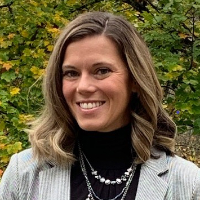
Erika Rucker
LPC
Compassionate counselor with hypnotherapy tools
- Stress, Anxiety
- Relationship
- Trauma and abuse
3 years in practice
Clinical social work directory
2 therapists in this directory hold a licence issued in West Virginia and name hypnotherapy among their approaches. Sessions are online; a US therapist can usually only see people in a state where they hold a licence, so check the credentials panel on each profile.
Welcome to our directory of online therapists serving West Virginia. All therapists listed here are licensed in their jurisdictions; explore profiles to learn about approaches, credentials, and languages.
LPC
Compassionate counselor with hypnotherapy tools
Some links on this page are partner links. We will earn a commission if you sign up through one, at no cost to you. It does not change what you pay or the order of the listings.
Online therapy has become a widely used option for people across West Virginia who want counseling from home or another convenient setting. In recent years more clinicians have offered sessions by video and phone, which can make it easier to connect when you live in a rural area or when travel is difficult. Laws govern how and where clinicians may practice across state lines, so therapists who provide services to West Virginia residents will operate under applicable state licensing rules. You will find clinicians who describe a range of specialties and approaches, from trauma-focused work to couples counseling and stress management. When you browse listings, you will often see the modalities a clinician mentions - for example, therapists who list cognitive-behavioral approaches, somatic methods, or EMDR among their approaches - and those descriptions can help you target practitioners whose stated focus lines up with your needs.
Choosing online therapy can remove several of the practical barriers that used to make regular counseling harder to sustain. You can save time on commuting and fit sessions around work, family, or study obligations. For many people in West Virginia, where distances between towns can be large, being able to meet with a clinician by video reduces the stress of travel and makes it simpler to keep ongoing appointments. Online sessions can also widen the pool of clinicians you can consider, allowing you to look beyond your immediate region to find someone whose stated approach and languages match what you want. People often report that being able to meet from a familiar setting helps them feel more comfortable at the start of treatment, which can support openness and continuity of care. When you choose online therapy, it is still important to check practical details like the technologies used for sessions and how emergency situations are handled, because those factors affect how well remote care will work for your circumstances.
Online therapists in the state work with a wide range of concerns that people commonly seek help for. You can find clinicians who list anxiety, depression, relationship difficulties, grief, life transitions, and workplace stress among the issues they address. Many also describe experience working with trauma-related concerns and substance use challenges, and some list specialized approaches aimed at those areas. If you are coping with parenting stress, adjustment after a major life change, or the ongoing pressures of caregiving, there are therapists who name those focus areas in their profiles. Because online therapy can be adapted to different age groups, you may also find clinicians who indicate experience with adolescent issues or with supporting adults through midlife changes. When reading profiles, pay attention to the language therapists use to describe the populations they work with - for example, whether they mention families, couples, or individuals - so you can identify clinicians whose stated focus aligns with the support you are seeking.
Verifying a therapist's license helps you confirm that they meet the state's regulatory requirements for clinical practice. You can typically check licensure through the West Virginia licensing board that oversees mental health professionals. The board's online lookup tools allow you to search by name and see whether a license is active, the type of credential held, and any public disciplinary history. When you review a profile, note the credential listed - for example, a clinical social work license, professional counselor license, or marriage and family therapy license - and use the board's search to match that credential to the clinician's name. If you have questions about what a particular credential allows a clinician to do, the licensing board's website usually provides definitions and scope-of-practice information. Keeping a record of the license number or a screenshot of the verification page can be helpful for your own documentation. Remember that profiles may list approaches and interests, but those descriptions do not replace a review of official licensure records when you want to confirm a clinician's legal standing to practice.
Starting with an online therapist often begins with a profile review and an initial outreach. Look for profiles that mention the issues and approaches you prefer and note any credentials and languages offered. When you contact a clinician, you can ask about the format of sessions - whether they use video, phone, or a combination - and how they conduct intake. It is appropriate to inquire about practical matters such as session length, fee structure, and accepted insurance or payment methods. You should also ask how they handle crisis situations and what local emergency resources they recommend, because remote care requires clear plans for urgent needs in your area. An initial consultation, when offered, gives you an opportunity to gauge how comfortable you feel with the therapist's communication style and stated approach.
Finding the right therapist is a personal process that involves more than matching on a few keywords. Consider how the clinician describes their approach - for example, therapists who list EMDR among their approaches will often indicate whether they apply those methods to trauma-related work, while those who mention cognitive-behavioral approaches may emphasize skills-based strategies. Reflect on what matters most to you: do you want a clinician who focuses on symptom reduction, one who emphasizes insight and relational patterns, or someone who blends different approaches? Think about practical preferences as well, such as the languages offered and whether the clinician mentions experience with cultural or regional issues that resonate with your background. Trust your impressions from a brief conversation; you should feel heard and respected when you describe your concerns.
To get the most from online therapy, prepare a comfortable setting where you can speak openly and without frequent interruptions. Choose a reliable internet connection and test your device and camera settings before your first session. Have a quiet location available and consider using headphones to support focus and privacy in shared living situations. Keep a list of goals or topics you want to address so you can track progress over time. If you are using insurance, verify coverage for teletherapy and whether pre-authorization is required. Finally, treat the therapeutic relationship like any other important service - it is acceptable to change clinicians if your needs or preferences are not met, and you can ask a therapist for referrals to colleagues who list different specializations or approaches.
Online therapy in West Virginia can expand your options and make counseling more practical for many people. By verifying licensure, reading clinician profiles carefully, and preparing for remote sessions, you can find a match that fits your priorities and supports your goals. Use the directory to explore profiles, compare stated approaches and languages, and reach out to clinicians whose emphasis aligns with the help you are seeking.