
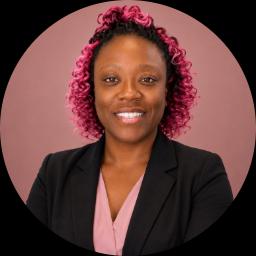
Karen Bradt, LCSW
Florida · 15 years in practice
Karen Bradt is a licensed clinical social worker who focuses on helping people find steady ground during stressful times.
License and registration
- LCSW, Florida
- SW11449 · expires March 2027
- NPI
- 1003253402 · national provider identifier
- Years in practice
- 15
- Languages
- English
Details are as listed on the therapist's public professional profile. You can check the license with the issuing state board, and the NPI with the national registry.
About Karen
Karen Bradt is a licensed clinical social worker who focuses on helping people find steady ground during stressful times. She speaks plainly about anxiety, depression, relationship strain, trauma, and parenting concerns so people can understand what’s happening and take small steps toward feeling better. Karen frames therapy as a mix of conversation and practical action that fits each person’s life.
She draws on fifteen years of clinical experience and combines talk therapy with education about how stress and trauma affect the brain.
Background and approach
Clients learn simple, repeatable techniques and practice them between sessions. Karen believes change happens when learning is paired with action, so she asks people to try small experiments and report back what helps. Hypnotherapy is one of the approaches she uses alongside cognitive behavioral strategies and attachment-focused work.
These methods are used to reduce overwhelm, change unhelpful patterns, and support new ways of coping with triggers and difficult relationships. She also pays attention to physical activity and daily routines as part of emotional well-being.
Karen mentions hiking and outdoor activity from her own life as examples of things that can influence mood, and she helps people find realistic movement or self-care habits that fit their schedules. In early sessions she focuses on what the person wants to change, shares understandable information about brain responses, and teaches tools to try.
Progress usually comes from tiny, manageable steps rather than big leaps, and she adjusts techniques when something isn’t working.
Focus areas and approaches
Everything Karen lists on their public professional profile, in their own terms.
- Stress, Anxiety
- Relationship issues
- Trauma and abuse
- Sleeping disorders
- Anger management
- Addictions
- LGBT
- Family conflicts
- Grief
- Intimacy-related issues
- Parenting issues
- Self esteem
- Bipolar disorder
- Depression
- Coping with life changes
- Abandonment
- Attachment issues
- Avoidant personality
- Caregiver issues and stress
- Codependency
- Communication problems
- Control issues
- Coping with natural or human-caused disaster
- Dependent personality
- Dissociation
- Domestic violence
- Emptiness
- Family of origin issues
- Family problems
- First responder issues
- Guilt and shame
- Isolation / loneliness
- Jealousy
- Panic disorder and panic attacks
- Phobias
- Post-traumatic stress
- Pregnancy and childbirth
- Prejudice and discrimination
- Sexual assault and abuse
- Social anxiety and phobia
- Women's issues
- Young adult issues
Approaches Karen names
- Hypnotherapy
- Attachment-Based Therapy
- Client-Centered Therapy
- Cognitive Behavioral Therapy (CBT)
- Dialectical Behavior Therapy (DBT)
- Mindfulness Therapy
- Motivational Interviewing
- Narrative Therapy
- Psychodynamic Therapy
- Solution-Focused Therapy
- Somatic Therapy
- Trauma-Focused Therapy
Naming an approach is not evidence of training in it. This directory copies what each therapist lists and does not check training records.
Online support
Approaches you can use online and why they help
Karen uses hypnotherapy to help people access focused relaxation and guided imagery that can make it easier to change habits and reduce intense emotional reactions. Hypnotherapy can be paired with other methods to address sleep problems, anxiety, and certain trauma responses.She also uses attachment-based work to look at how early relationship patterns affect current reactions and communication. This approach helps people notice recurring relationship habits and practice new ways of relating to others. Cognitive behavioral therapy, or CBT, is used to identify unhelpful thoughts and test new behaviors in daily life to reduce symptoms of anxiety and depression.
Finding the right approach is part of the work together. The therapist will discuss goals, try methods, and adjust plans based on what the person prefers and what helps most. That collaborative process means techniques are tailored rather than one-size-fits-all.
Online formats include video calls, phone sessions, live chat, and text-based messaging, which make it easier to fit therapy into busy schedules. Video lets people see facial cues and practice exercises together. Phone sessions can be a good option when bandwidth is limited or a shorter check-in is needed. Live chat and text messaging support ongoing check-ins and brief coaching between sessions, adding flexibility for different routines and needs.
We will earn a commission if you sign up through our link, at no cost to you. It does not change what you pay or the order of the listings.
Questions people ask
What concerns does Karen work with?
She helps people dealing with stress, anxiety, depression, trauma and abuse, relationship and intimacy issues, grief, parenting stress, sleep problems, anger, addictions, and mood concerns such as bipolar disorder.
What is her therapeutic style like?
Her style blends talk therapy with teaching and practical exercises. Sessions focus on understanding brain responses and trying small, doable techniques between meetings.
How much clinical experience does she have?
She brings 15 years of clinical experience working with trauma, anxiety, mood disorders, and related concerns.
What credentials and location are listed?
She holds a Licensed Clinical Social Worker credential (LCSW) and practices from Florida.
Which languages are sessions offered in?
Sessions are offered in English.
What session formats are available?
People can meet by video calls, phone sessions, live chat, or text-based messaging.
How does payment and cost work?
Cost varies with location and therapist availability; sessions use a subscription that can be canceled at any time.
How do I begin working with her?
Start by selecting the Start Therapy button, complete a short matching questionnaire, and schedule according to therapist availability.
More therapists in Florida
See allSuzanne Stokes
LMHC
Practical guidance with calming, steady support
- Stress, Anxiety
- Relationship
- Self esteem

Cheryl Scott
LMHC
Compassionate practical therapy focused on change
- Stress, Anxiety
- Relationship
- Trauma and abuse


Is this your profile?
Ask us to correct details or take the page down.
Contact us