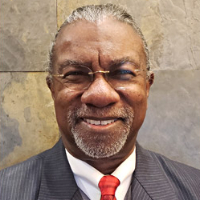
48 years in practice
Clinical social work directory
Therapists who work with Licensed Clinical Mental Health Counselor (LCMHC)
20 therapists in this directory list Licensed Clinical Mental Health Counselor (LCMHC). Registration details are shown as each therapist lists them; the body's own public register is the place to check a number.
A Licensed Clinical Mental Health Counselor (LCMHC) is a licensed mental health professional who provides assessment and psychotherapy for a variety of concerns. Browse verified LCMHC therapists below to review their approaches, specialties, languages, and credentials.
Walter "Baruch" Zeichner
LPC, LCMHC
Experienced therapist using practical approaches
- Stress, Anxiety
- LGBT
- Relationship

40 years in practice
Alan Cochrane
LCMHC
Compassionate guide for lasting personal change
- Stress, Anxiety
- Addictions
- Relationship

35 years in practice
Linda O'Malley
LCMHC, LMHC
Practical strategies for steady emotional growth
- Stress, Anxiety
- Relationship
- Grief

15 years in practice
Katrina Lane
LPC, LCMHC
Experienced counselor focused on practical change
- Stress, Anxiety
- Trauma and abuse
- Self esteem

31 years in practice
K. Elizabeth Garzarelli
LPC, LCMHC
Experienced counselor for life transitions
- Stress, Anxiety
- Self esteem
- Career

33 years in practice
Prof. Valerie Starr
LCPC, LCMHC
Compassionate counselor with decades of experience
- Stress, Anxiety
- Relationship
- Family

38 years in practice
Jeff (Jeffery) Thompson
LCMHC
Practical therapy with hypnotherapy options
- Stress, Anxiety
- Relationship
- Trauma and abuse

20 years in practice
Cynthia Huffstetler
LCMHC
Compassionate, practical therapy for everyday life
- Stress, Anxiety
- Parenting
- Anger

9 years in practice
Meaghan McCulla
LCMHC
Compassionate clinician blending practical tools and hypnotherapy
- Grief
- Self esteem
- Career

13 years in practice
Robert Wubbenhorst
LCMHC
Helping people move past stuck patterns
- Stress, Anxiety
- Trauma and abuse
- Self esteem

15 years in practice
Dr. Delsa Johnson-Waddell
LCMHC
Collaborative therapist blending talk therapy and practical tools
- Stress, Anxiety
- Trauma and abuse
- Depression
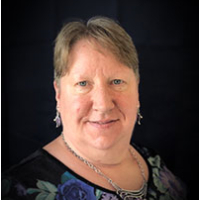
13 years in practice
Lois Pasapane
LCMHC, LMHC
Experienced counselor focused on practical change
- Stress, Anxiety
- Trauma and abuse
- Self esteem

35 years in practice
Michelle Smith
LCMHC, LMHC
Compassionate hypnotherapy and practical skills
- Stress, Anxiety
- Relationship
- Grief

10 years in practice
Heather Scarboro
LCMHC
Calm, practical therapy with creative approaches
- Stress, Anxiety
- Addictions
- LGBT
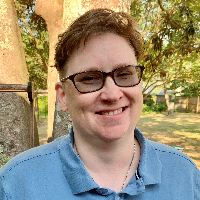
10 years in practice
Mary Yost
LCMHC
Compassionate practical therapy with hypnotherapy
- Addictions
- Relationship
- Intimacy-related issues

29 years in practice
Leslie Mulligan
LCMHC, LCPC
Experienced therapist blending evidence-based care
- Stress, Anxiety
- Relationship
- Trauma and abuse

24 years in practice
Brandon Woffinden
LCMHC
Calm, practical support for life’s hard moments
- Stress, Anxiety
- Addictions
- Trauma and abuse

10 years in practice
Lakeisha McKnabb
LCMHC
Compassionate, practical support for life challenges
- Addictions
- Family
- Depression

18 years in practice
Dr. Damien Johnson
LPC, LCMHC
Transformative counseling with practical tools
- Stress, Anxiety
- Addictions
- Relationship

17 years in practice
Some links on this page are partner links. We will earn a commission if you sign up through one, at no cost to you. It does not change what you pay or the order of the listings.
What Licensed Clinical Mental Health Counselor (LCMHC) Means
When you see the LCMHC designation after a clinician's name, it signals a specific licensing pathway and scope of practice that is recognized in many U.S. states. The LCMHC credential typically indicates that a counselor completed graduate-level education in counseling or a closely related field, completed a period of supervised clinical experience, and passed a state licensing examination. Exact requirements vary by jurisdiction, but the overall path emphasizes both academic coursework and applied clinical hours. You will often find programs that focus on clinical assessment, diagnosis, therapeutic interventions, and ethics as part of the degree requirements.
Licensure is intended to ensure that clinicians have met minimum educational and experiential standards before offering clinical services. Because requirements differ by state, the specific title and the precise rules governing practice can vary. In some places the title reflects a focus on clinical mental health counseling specifically, while in others the credential may have a slightly different name but comparable responsibilities. Knowing the general pathway - graduate degree, supervised hours, and a licensing exam - will help you understand what an LCMHC credential represents in practical terms.
Education and supervised experience
Most LCMHC candidates complete a master's degree in counseling, clinical mental health counseling, or a closely related mental health field. Graduate curricula commonly include coursework in assessment, counseling theories, psychopathology, cultural competence, and professional ethics. After finishing course work, candidates are usually required to complete a defined number of supervised clinical hours, often distributed between practicum and internship experiences. Those supervised hours are designed to give emerging clinicians structured experience with assessment and treatment under the guidance of an approved supervisor. Following the supervised period, candidates typically apply for licensure and take a licensing exam administered or recognized by the state board.
What an LCMHC Is Qualified to Do Compared to Other License Types
If you are deciding between different license types, understanding the distinctions can help you focus on clinical match rather than title alone. LCMHCs are trained to assess mental health concerns, formulate treatment plans, and provide psychotherapy for individuals, couples, families, and groups. In many states LCMHCs may also diagnose mental health conditions and coordinate care with other health professionals. The day-to-day work of an LCMHC often centers on talk therapy and behavioral interventions aimed at reducing symptoms, improving functioning, and addressing relational or life adjustments.
Other mental health credentials, such as licensed clinical social workers, psychologists, and psychiatrists, bring overlapping but distinct emphases. Psychologists often have doctoral-level training and may include formal psychological testing and research in their scope. Psychiatrists are medical doctors who can prescribe medication. Licensed clinical social workers often integrate social systems perspectives and case management with psychotherapy. Scope, permitted activities, and the regulatory framework also depend on state law, so it is useful to consider both the title and the clinician's described focus and experience when choosing support.
Common Specialties and Treatment Areas for LCMHC Therapists
LCMHC clinicians work across a wide range of presenting concerns, and you will find many who list specialties such as anxiety, depression, trauma, relationship difficulties, grief, life transitions, and stress management among their areas of focus. Some LCMHCs emphasize work with specific populations - for example adolescents, young adults, couples, parents, or older adults. Others may highlight experience with particular life circumstances such as career change, caregiving stress, or chronic illness adjustment.
Therapists often describe the approaches they use, and when a clinician lists a modality it indicates an area they incorporate into practice rather than a formal certification. For example, you may encounter therapists who list cognitive-behavioral approaches, trauma-focused methods, mindfulness-based strategies, narrative approaches, or hypnotherapy among their approaches. You can use these descriptions to find clinicians whose stated methods align with how you prefer to work. If you are interested in culturally informed care, look for clinicians who mention cultural competence, bilingual services, or experience with communities similar to yours, as those details often appear in therapist profiles.
How to Verify an LCMHC Credential
Verifying a clinician's LCMHC credential is a practical step that provides clarity about licensing status and any regulatory actions. Your starting point is the state licensing board that issues professional counselor licenses in the state where the clinician practices. Most state boards provide an online license lookup or verification tool where you can search by the clinician's name or license number to confirm an active license, the date of issuance, expiration date, and whether any disciplinary actions have been recorded. This public record is the authoritative source for licensure verification and will reflect the legal standing of a clinician's credential.
If you have questions about what you find, you can contact the licensing board directly for clarification. Asking a clinician for their license number and the state that issued it is a reasonable step if that information is not already listed in their profile. In addition to board checks, you may review the clinician's stated education and supervised experience. While profiles list what a therapist reports, the licensing board confirms whether the license itself is valid and in good standing. Taking a few minutes to verify these details can help you feel more informed as you evaluate potential counselors.
Benefits of Choosing an LCMHC and Tips for Finding the Right Therapist
Choosing an LCMHC can offer certain practical benefits. Because the credential typically reflects a focused clinical counseling education and supervised experience, LCMHCs often emphasize psychotherapy and counseling strategies that address everyday mental health concerns and life stressors. If you are seeking talk therapy, coping skills, or support for relationship or adjustment issues, an LCMHC is trained to provide those services. The counseling orientation common in LCMHC programs tends to prioritize collaborative treatment planning and skill development tailored to your goals.
How to find a good fit
Finding the right therapist is about more than credentials alone. Think about what matters most to you in the therapeutic relationship and search for clinicians who describe experience aligned with your needs. Consider the presenting concerns you want to work on, the populations you feel most comfortable with, and the approaches you prefer. Read profiles to see whether a therapist lists relevant specialties and whether they offer services in your preferred language or modality, such as in-person or remote sessions. Pay attention to details like session length and fee structure if those are important to you. When you contact a clinician, asking about their experience with your concern and how they typically structure sessions can give you a sense of fit.
Practical questions to guide your choice
As you evaluate profiles, you may find it helpful to prepare a few focused questions. You could ask a clinician how they describe their typical approach to the concern you have, what types of clients they commonly work with, and how they measure progress in therapy. If cultural responsiveness, language, or accessibility are important, ask about those aspects directly. You may also want to know about session format and logistics, such as whether they offer remote sessions or in-person meetings in their office. These conversations are a part of finding a clinician with whom you feel comfortable and who matches the goals you bring to therapy.
Ultimately, the best match is one in which you feel heard and understood. Licensure, like the LCMHC credential, is an important baseline that indicates a certain level of education and supervised practice. From there, aligning specialties, therapeutic approach, and interpersonal rapport will shape the effectiveness of the relationship for your needs. Use available profile information and licensing verification tools to make informed choices, and trust your judgment about who feels like the right fit as you begin the work of therapy.
Keep exploring
Other registers