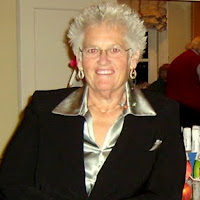
Suzanne Stokes
LMHC
Practical guidance with calming, steady support
- Stress, Anxiety
- Relationship
- Self esteem

38 years in practice
Clinical social work directory
65 therapists list Imago Relationship Therapy among the ways they work. Naming an approach is not evidence of training in it, so ask directly how they use it.
Imago Relationship Therapy is a couples-centered approach that explores how early life experiences shape patterns in adult relationships. Below you can browse therapists who list Imago Relationship Therapy among their approaches to find professionals whose focus, credentials, languages, and experience align with your needs.
LMHC
Practical guidance with calming, steady support
LPCC, LPC
Collaborative counselor blending practical therapies
NCPS
Calm, values-driven counselling and hypnotherapy
NCPS
Compassionate counsellor for stress and life change
NCPS
Therapist offering hypnotherapy and talking therapies
NCPS
Calm, practical support for stress and relationships
LCSW
Compassionate, practical help for tough times
LPC
Compassionate counselor focused on meaningful change
NCPS
Calm, practical counselling with clear tools
BACP
Calm, practical counselling with multiple approaches
BACP
Compassionate counsellor blending talk and hypnotherapy
ACA
Calm guidance to help you move forward
LPC, LPCC
Calm practical therapy for life’s hard moments
ACA
Calm, practical counselling for everyday life
BACP
Calm practical counselling with hypnotherapy
BACP
Calm practical psychotherapy and nature-informed care
LMHC
Compassionate counselor helping people rewrite their story
NCPS
Calm-focused hypnotherapy and talk therapy
BACP
Experienced counsellor focusing on relationships and healing
NCPS
Compassionate, practical help for anxiety and relationships
BACP
Experienced counsellor blending talk therapy and hypnotherapy
BACP, NCPS
Calm practical counselling with creative tools
LCSW
Steady, practical support for lasting change
LCSW, LMSW
Compassionate clinician for relationship and life concerns
LMHC
Experienced counselor blending practical tools and empathy
LPC, LCMHC
Experienced counselor focused on practical change
LPC
Helping people build steady, practical change
BACP, NCPS
Compassionate therapist using hypnotherapy and talking therapies
LPC
Practical, collaborative care for lasting change
NCPS
Experienced counsellor blending talking therapies
LPC
Experienced counselor using practical therapy approaches
NCPS
Gentle hypnotherapy and practical psychotherapy
BACP
Experienced counsellor offering flexible therapy options
LPC
Direct compassionate help for intimacy and relationships
BACP
Experienced counsellor blending talk therapy and hypnotherapy
LMFT
Experienced therapist focused on practical change
LMFT
Practical therapy for stress and relationships
LICSW, LCSW
Experienced clinician using hypnotherapy and talk therapy
LICSW, LCSW
Warm client-centered therapist with hypnotherapy tools
LMHC
Calm, practical therapy for life’s hard moments
LSCSW, LCSW
Experienced social worker focused on practical change
Some links on this page are partner links. We will earn a commission if you sign up through one, at no cost to you. It does not change what you pay or the order of the listings.
Imago Relationship Therapy is a relational model that views conflicts between partners as expressions of unresolved longings and unmet developmental needs. Developed in the late 20th century, the approach treats relationships as a space where two people can learn to consciously heal old wounds by recognizing how childhood experiences influence current patterns. The theory proposes that many of the frustrations and repeated conflicts you encounter in your relationship are not random - they reflect an unconscious search for the parts of yourself that were not attended to in earlier relationships. By bringing awareness to these processes, couples can transform reactivity into cooperation.
Central to Imago is the idea that conflict can be a pathway to growth when approached with curiosity and structure rather than blame. Sessions often emphasize empathy, reflective listening, and intentional dialogue techniques that slow interaction down so you can notice emotional triggers, unmet needs, and the ways you and your partner mirror each other. In practice, the therapist acts as a guide who helps you establish patterns of communication that feel safer, clearer, and more connected. The model blends relational psychology with experiential exercises designed to deepen understanding and create new interaction habits.
You might consider Imago Relationship Therapy when recurring arguments feel stuck in a loop, when you sense distance or resentment growing between you and your partner, or when transitions - such as marriage, parenthood, infidelity recovery, or retirement - bring stress to the relationship. Therapists who list Imago among their approaches often work with couples facing communication breakdowns, difficulties with emotional intimacy, or patterns of avoidance and criticism. The model is frequently applied to help partners navigate life stage changes, repair ruptures in trust, and explore differences in attachment styles that create friction.
Imago is also used by couples who want proactive relationship maintenance rather than crisis intervention. Some people come to this approach to deepen connection and create a more conscious partnership, not only to resolve a specific problem. Because the work emphasizes learning new ways of relating, it can be helpful when entrenched interaction patterns make it hard to feel understood. The therapy is not a quick fix - it focuses on practicing relational skills and building new neural and behavioral habits over time so that interactions feel more collaborative and less reactive.
In an Imago session you can expect a structured rhythm that creates room for reflection and practice. Sessions commonly begin with a short check-in where each partner shares what is present for them emotionally and physically. The therapist then introduces a guided dialogue - frequently called the Imago Dialogue - in which one partner speaks while the other mirrors what they heard, validates feelings, and offers empathy before switching roles. This deliberate sequencing slows conversation and helps you hear each other without interruption or defensive replies.
The therapist may invite you to identify childhood memories or recurring relationship narratives that resonate with current frustrations. Exercises often involve naming unmet needs, clarifying longings, and transforming blaming language into requests for connection. You may be given between-session practices to continue the dialogue at home and reinforce new habits. Throughout, the therapist monitors tone and safety, helping you practice noticing triggers and choosing responses that promote mutual understanding. Over consecutive sessions, the emphasis shifts from managing specific fights to cultivating an ongoing relational process that supports repair and deeper intimacy.
Imago shares features with other relational therapies but differs in its emphasis on the past as a map for present interaction and on structured dialogue as the core method for change. Unlike therapies that focus primarily on cognitive restructuring or symptom reduction, Imago puts the relationship itself at the center of healing. Rather than treating individual pathology, it examines the interactional system - the ways two partners together recreate unmet needs from childhood - and aims to transform those repetitive patterns.
Compared with approaches that prioritize problem-solving or advice-giving, Imago gives you a consistent set of communication tools to practice. The therapist's role is less about directing solutions and more about facilitating an intentional exchange that helps you both feel heard. Compared with emotionally focused or attachment-based therapies, Imago places a stronger emphasis on learning and rehearsing specific dialogue techniques that can be used outside the therapy room. The approach is experiential and skills-oriented while remaining rooted in relational theory, which can feel practical for couples who want both insight and tangible practices.
Imago can be a good fit if you and your partner are motivated to learn new ways of interacting and are willing to practice structured communication. If you notice recurring conflicts that never seem to resolve, if either partner feels chronically misunderstood, or if past hurts keep resurfacing in different forms, the approach may help you identify the patterns behind those cycles. You do not need to have a specific diagnosis to benefit - the focus is on relational dynamics rather than labeling individual problems.
That said, Imago is most effective when both partners are able to participate and commit to the process. If there are concerns about safety in the relationship, such as ongoing intimidation or violent behavior, different resources may be appropriate first. Similarly, when one partner is unwilling or unable to engage in the dialog process, individual work or alternative supports may be recommended. Talk with a professional who can help you assess whether Imago-style work aligns with your goals, taking into account any co-occurring individual issues and the broader context of your partnership.
When you are exploring options, look for therapists who list Imago Relationship Therapy among their approaches and who describe how they integrate relational practices into sessions. Read therapist profiles for information about their professional background, areas of focus, languages spoken, and the types of couples they commonly work with. Some profiles include descriptions of the kinds of exercises they use and the pacing of their work, which can help you imagine how sessions might feel.
Consider reaching out with questions that clarify fit - for example, how the therapist structures dialogue, how often they assign between-session practices, and how they approach sensitive topics like infidelity or major life transitions. You may also ask about their experience working with couples similar to you in terms of life stage, cultural background, or relationship configuration. Looking for a therapist whose communication style and values resonate with you can make it easier to engage in the sometimes challenging work of changing long-standing interaction patterns. Ultimately, finding a good match is about aligning your goals, preferences, and sense of safety with a professional approach to relational change.
Imago Relationship Therapy offers a path for couples to turn repetitive conflict into a process for connection. By learning to listen with intention, name unmet needs, and practice compassionate dialogue, many partners rediscover ways to feel known and cared for. If you are curious about this approach, use the listings above to explore therapists who list Imago Relationship Therapy among their approaches and reach out to those whose profiles reflect the kind of partnership work you hope to do.